
voyage news
-
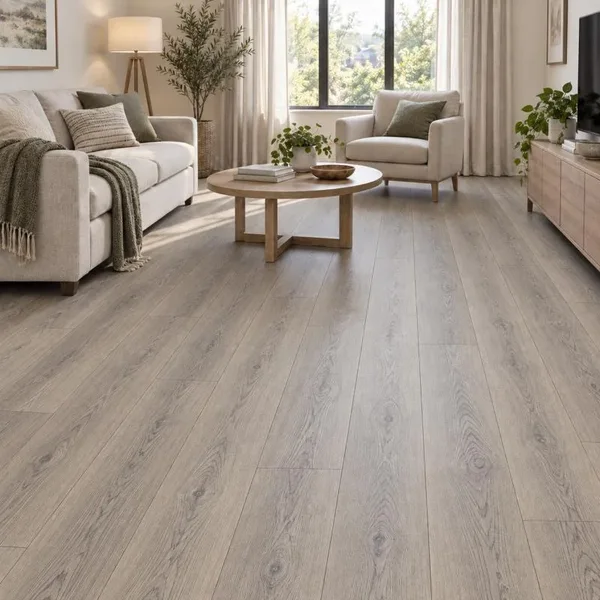
How Should B2B Buyers Compare Hardwood vs. Laminate Flooring for Wholesale and Project Supply?
Hardwood and laminate flooring serve different market needs, so B2B buyers should compare them by material structure, lifecycle cost, durability, maintenance, and target application. Hardwood offers natural wood grain and the option to refinish many solid wood floors. Laminate provides a printed wood appearance, a factory-finished wear surface, and a broad range of designs and […]Read more -
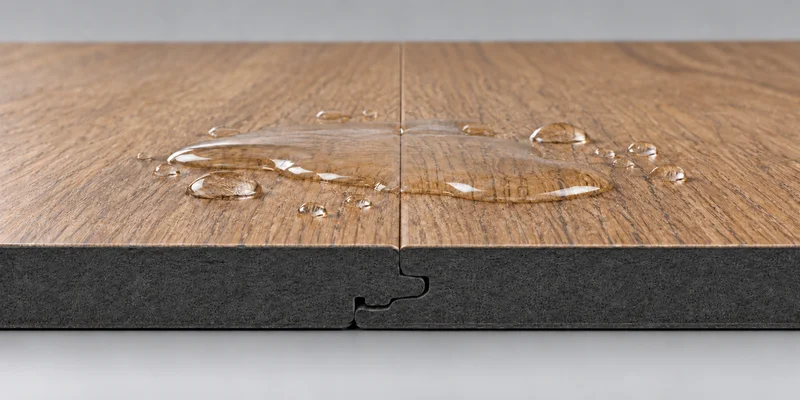
How to Evaluate Waterproof Laminate Flooring
Introduction For importers, distributors and project buyers, waterproof laminate flooring can represent different levels of protection. A supplier may be describing short term spill protection, an assembled floor that has passed a surface water test, a moisture resistant HDF core or wax treated edges. Understanding the exact scope makes product comparisons clearer ando mre useful. […]Read more -
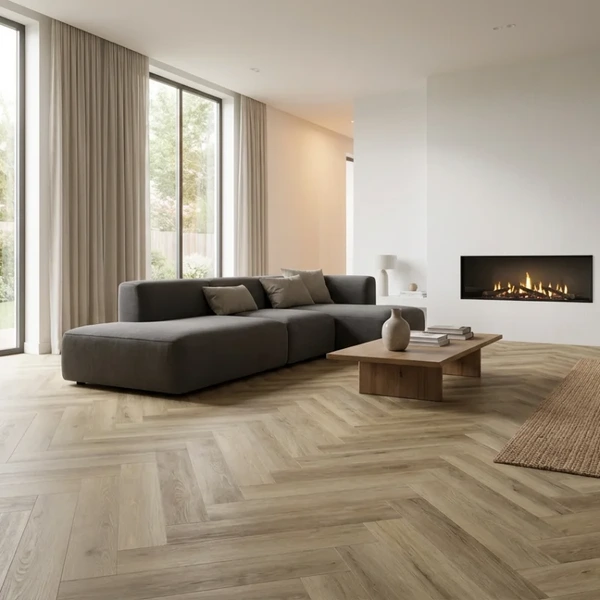
Where Can B2B Buyers Source Eco-Friendly Flooring Products for Global Markets?
B2B buyers can source eco-friendly flooring products from manufacturers that provide responsible material sourcing, controlled production, documented emissions performance, and market-specific compliance. The term “eco-friendly flooring” covers more than the material used to make a floor. It can also involve forest resources, composite wood emissions, manufacturing efficiency, product service life, packaging, and transportation. Wood flooring, […]Read more -
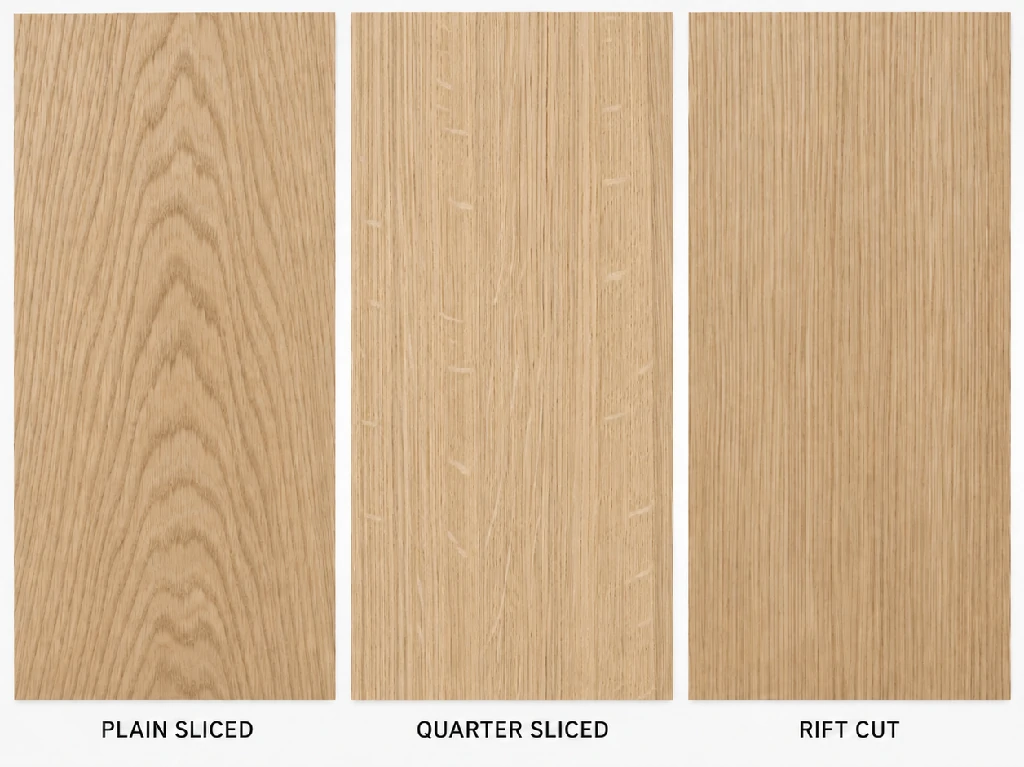
Hardwood Plywood Veneer Cuts Explained: How Cutting Methods Affect Grain, Material Yield and Price
Introduction: Why Veneer Cut Affects More Than Appearance When buyers compare hardwood plywood quotations, they often focus on species, face grade, panel thickness and size. For decorative panels, however, veneer cut is another specification that can directly influence grain appearance, material availability and price. Hardwood plywood veneer cuts such as plain sliced, quarter sliced and […]Read more -
Which Durable Flooring Materials Work Best for Homes With Pets and Children?
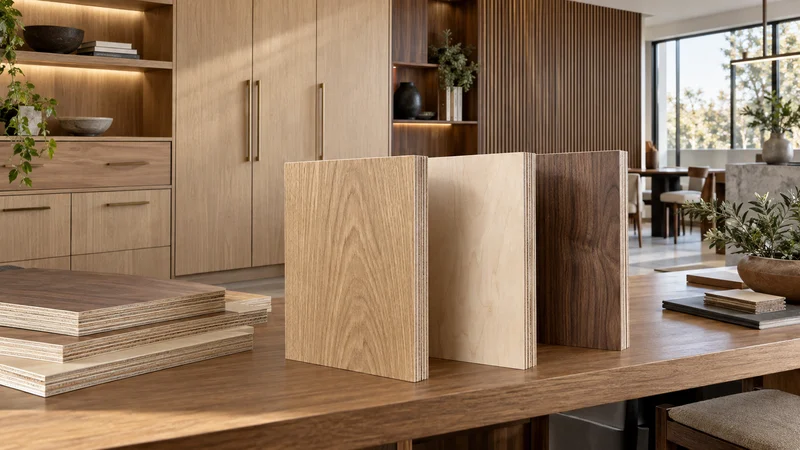
For homes with pets and children, durable flooring needs to handle scratches, spills, frequent cleaning, and daily foot traffic. Among common options, laminated flooring offers a practical balance of surface durability, design variety, and predictable maintenance. Wood flooring can also perform well when buyers select suitable species, finishes, and installation systems. For distributors and flooring […]Read more -
Laminate Flooring Thickness Guide: 8mm vs 10mm vs 12mm — How B2B Buyers Should Choose
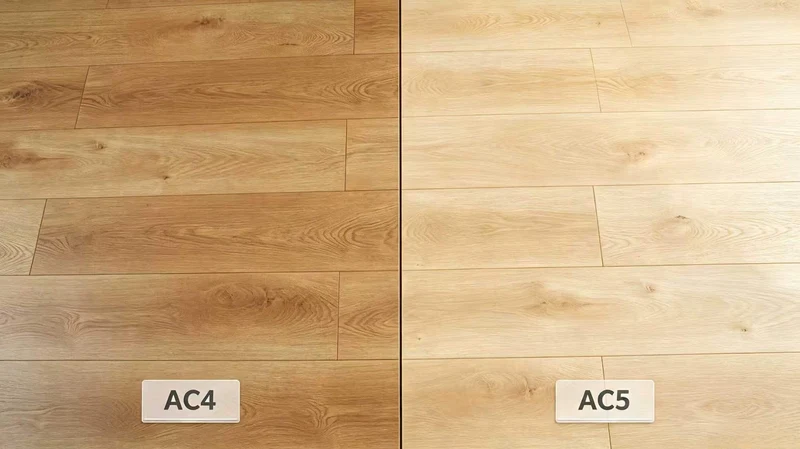
When importers and distributors compare laminate flooring, thickness is usually one of the first specifications they ask about: 8mm, 10mm or 12mm. But for professional buyers, thickness should never be considered in isolation. A thicker board is not automatically a more durable board, and a higher AC rating is not automatically the best commercial choice […]Read more -
Build Direct Flooring and Building Supplies: What Should B2B Buyers Source Together?
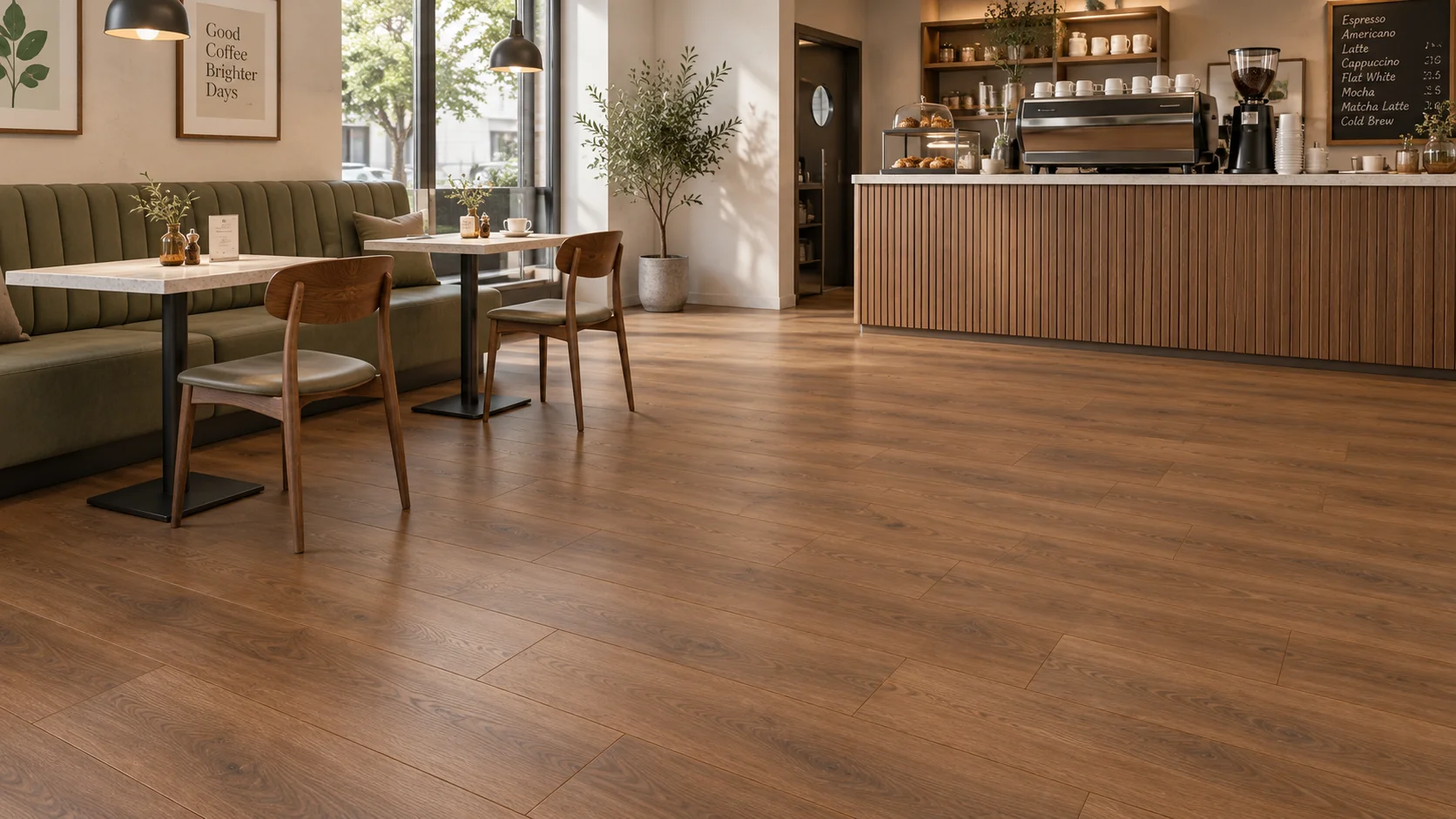
Build Direct flooring and building supplies can make project procurement more efficient when buyers group related materials around clear technical and supply requirements. For flooring distributors, contractors, developers, and importers, the goal is not simply to purchase flooring and construction products from one source. The stronger approach is to build a coordinated supply plan around […]Read more -
Decorative Hardwood Plywood Buying Guide
12 Specifications to Confirm Before Ordering Buying decorative hardwood plywood is more complex than comparing panel size and price. Two quotations may use the same species name and nominal thickness while describing panels with different face grades, veneer cuts, matching methods, cores, tolerances, emission documentation and packaging standards. Those differences can change appearance, machining performance, yield […]Read more