voyage news
-
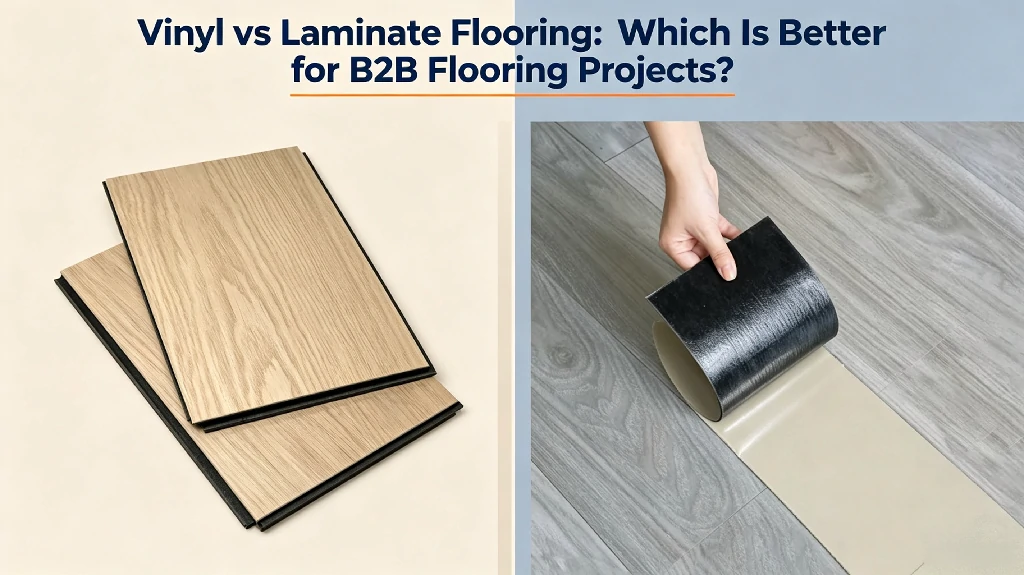
Vinyl vs Laminate Flooring: Which Is Better for B2B Flooring Projects?
When comparing vinyl and laminate flooring for a commercial project, distribution program, or residential development, neither material fits every application. Vinyl generally offers stronger moisture tolerance and greater flexibility for wet or moisture-prone areas. Laminate provides a wood-based HDF core, strong surface abrasion resistance, and a broad range of wood and decorative designs. The right […]Read more -

Where Can B2B Wholesale Buyers Source Affordable Waterproof Laminate Planks and Structural Panel Alternatives?
B2B wholesale buyers source affordable waterproof laminate planks and high-performance panel alternatives directly from global manufacturing mills and specialized timber distributors. Commercial contractors often substitute standard laminate flooring with specialized treated wood substrates and moisture-resistant hardwood plywood panels for high-humidity architectural millwork and cabinetry projects. Procurement managers evaluate core construction types, face veneer grades, and […]Read more -
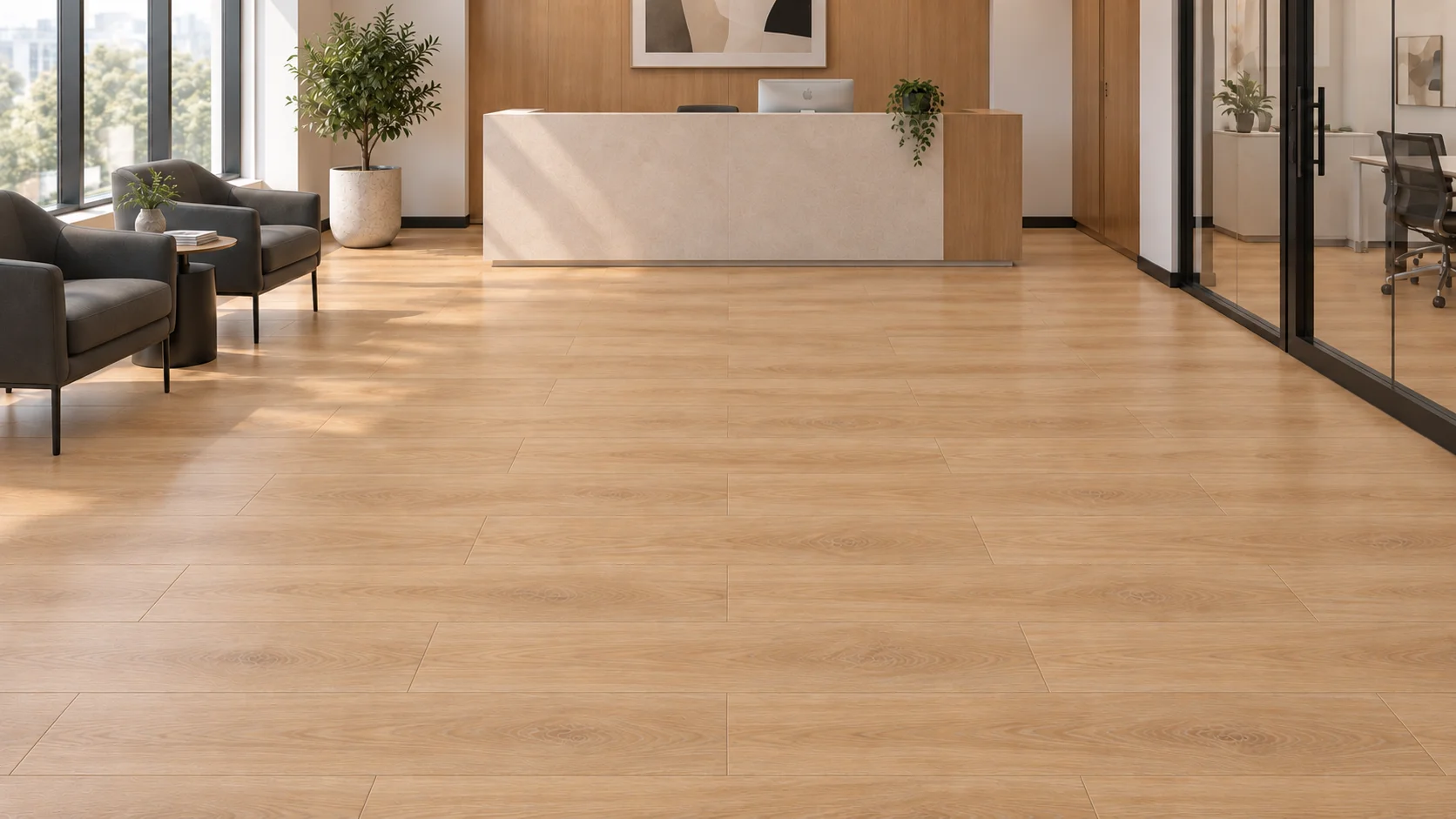
Which National Distributors Supply Top-Rated Laminated Flooring for Commercial Projects in the United States?
Commercial contractors and property developers source top-rated laminated flooring products from major national distributors and direct import partners across the United States. Finding reliable suppliers involves evaluating stock availability, AC wear ratings, core density, and wholesale pricing structures for large-scale developments. Procurement managers require stable supply chains to keep multi-family residential and office renovation timelines […]Read more -
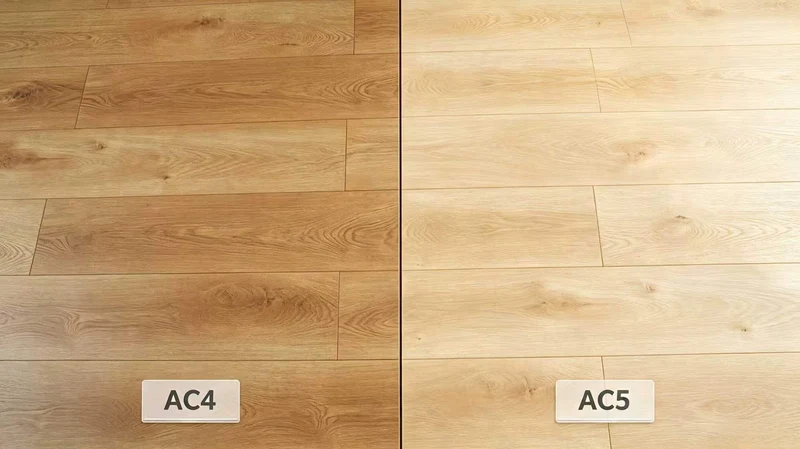
How to Specify Laminate Flooring for Different Markets: A B2B Buyer’s Guide
A laminate flooring specification that works well for a residential renovation in North America may not be the best specification for a hotel project in the Middle East or a residential development in Central Asia. For B2B buyers, the real question is not simply, “Which laminate flooring is cheapest?” It is: “Which construction, surface, size and […]Read more -

U.S. Hardwood Plywood Sourcing in 2026: How Buyers Can Reduce Landed Risk and Protect Supply Continuity
A hardwood plywood quotation can look competitive and still become expensive if the shipment is delayed, the declared origin cannot be supported or repeat orders fail to match the approved sample. For a procurement manager, the real decision is not simply, “Who has the lowest FOB price?” It is, “Which supplier can deliver the specified […]Read more -
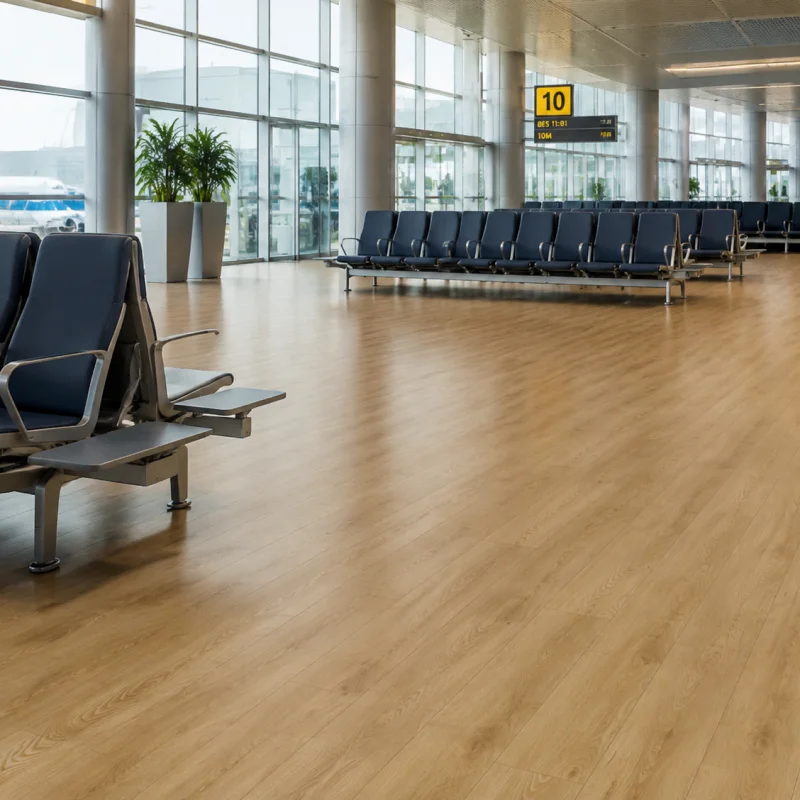
Where Can Commercial Buyers Source Affordable Laminated Flooring With Full Installation Services Near You?
Commercial buyers face a distinct set of challenges when sourcing commercial building materials for large-scale real estate developments, multi-family housing projects, and retail renovations. Procurement managers must balance strict budgetary limits with tight construction schedules while maintaining rigorous quality standards. Finding a reliable supplier that provides both durable materials and professional installation services locally often […]Read more -
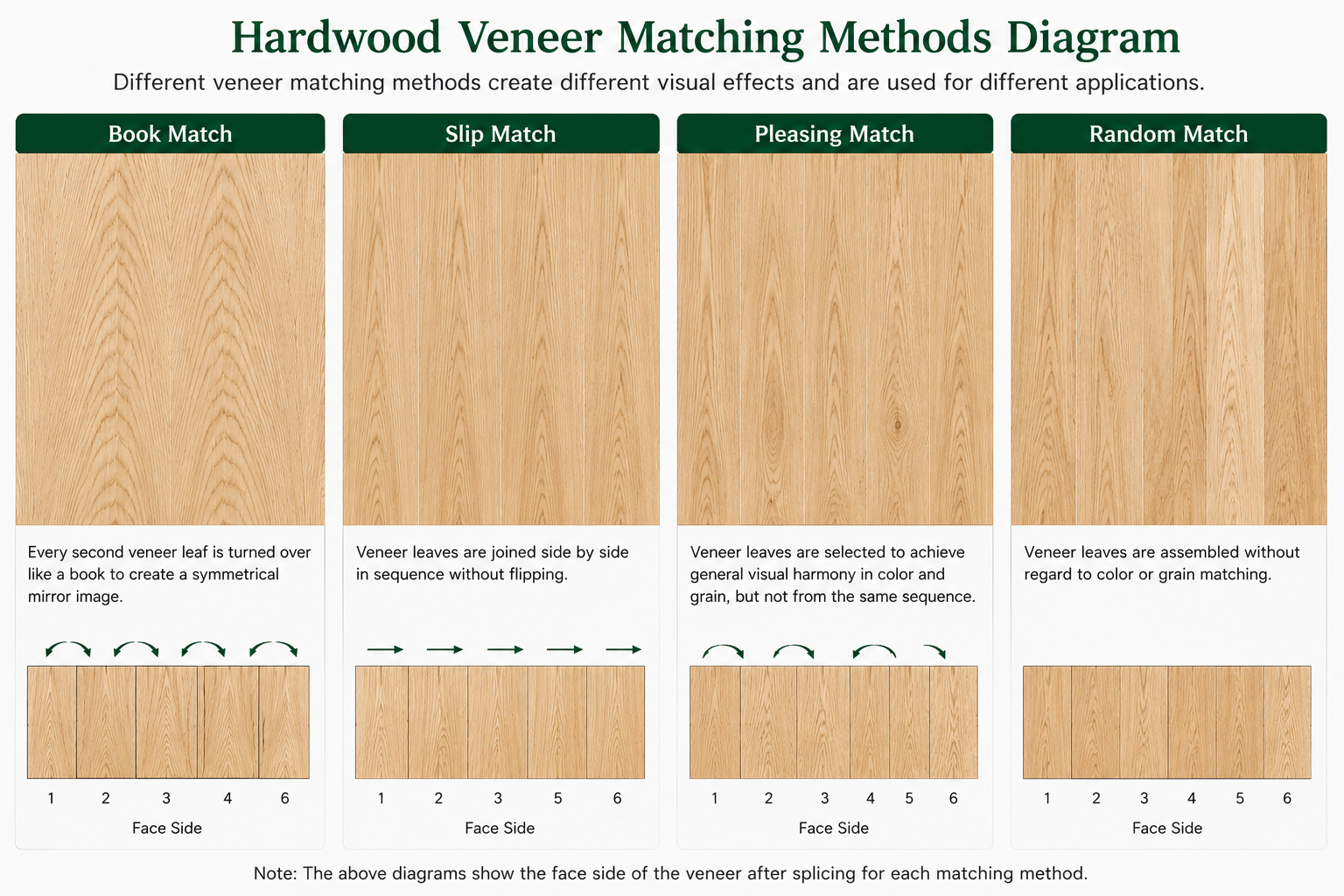
Hardwood Plywood Grades Explained: HPVA AA, A, B & C Face Grade Standards for Red Oak and White Oak Plywood
Introduction: Hardwood Plywood Quality Starts Before the Finished Panel When international B2B buyers and commercial procurement managers purchase hardwood plywood, they often focus on baseline specs: However, professional furniture manufacturers, cabinet factories, and interior contractors know that one decisive factor dictates the final end-product value and visual appeal: The hardwood plywood face grade. A premium decorative […]Read more -
What Is the Average Cost to Install Laminate Flooring, and What Should Buyers Budget?
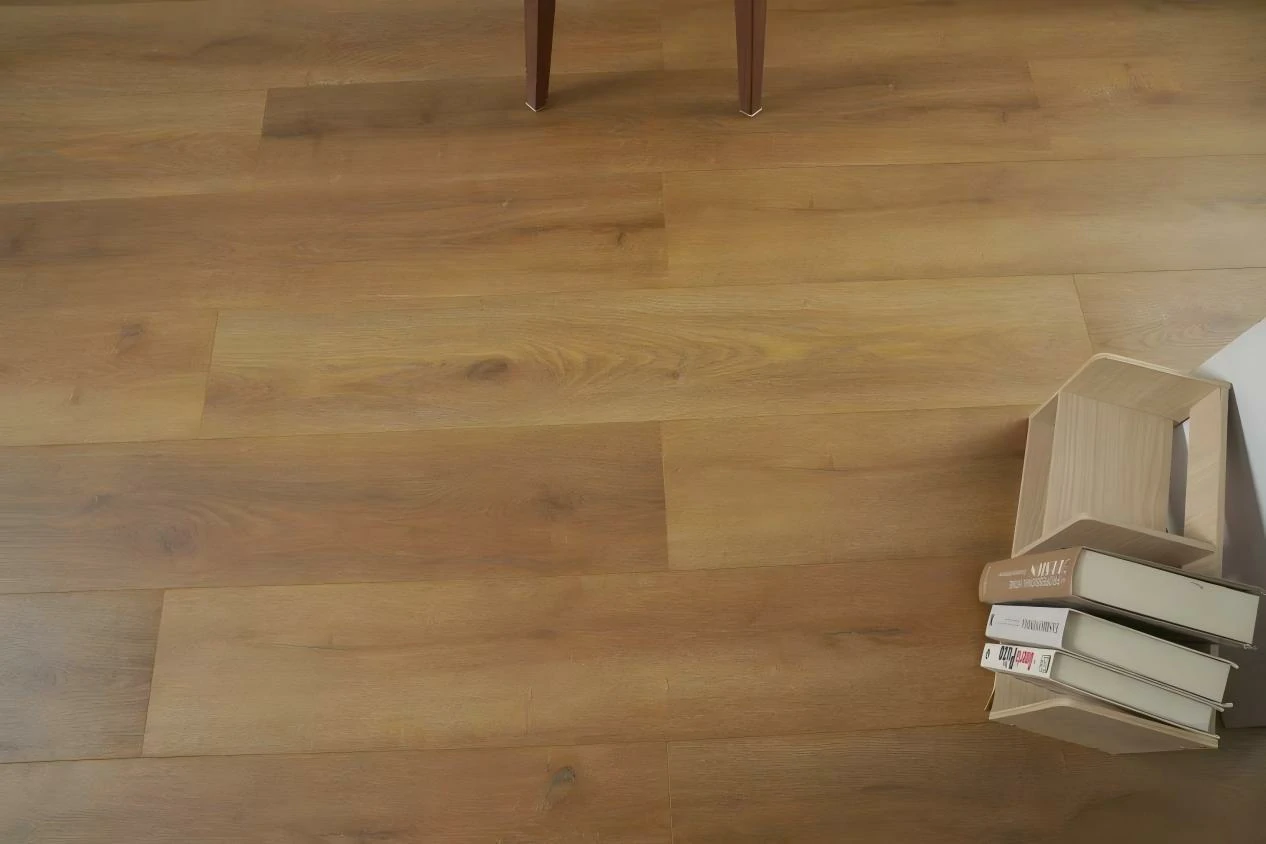
For a typical residential project, laminate flooring installation costs about $4 to $14 per square foot in the United States. This range includes flooring materials and installation labor, although actual prices vary by location, room size, floor condition, and product specifications. HomeGuide reports an average range of $2,000 to $7,000 for a 500-square-foot project. Angi’s […]Read more