Biophilic Aesthetics and Decorative Plywood: Why Is It the Top Choice for Modern Eco-Interiors?
April 24, 2026
Decorative plywood has become a leading material in biophilic interior design because it combines natural visual warmth, engineered performance, and sustainability advantages in ways few other materials can match. As designers and commercial specifiers prioritize wellness-oriented spaces, Textured Decorative Plywood, Synchronized veneer (EIR) technology, and Natural wood grain aesthetics are increasingly influencing material selection for hospitality, residential, retail, and workplace interiors. In 2026, the rise of eco-interiors is not simply an aesthetic movement. It is closely tied to sustainable procurement, user wellbeing, and the growing importance of Sustainable building materials certifications.
For decision-makers sourcing decorative surfaces, the appeal of decorative plywood extends beyond appearance. It supports the sensory goals of biophilic spaces while meeting practical demands for durability, machinability, and scalable project supply. Whether specified as Sustainable luxury cabinetry materials or incorporated into Wabi-sabi interior design panels, decorative plywood is increasingly positioned as a premium yet practical solution for contemporary interiors.
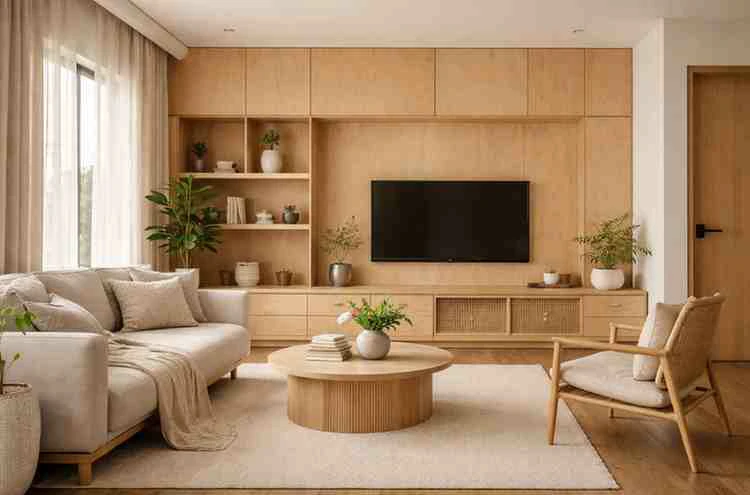
Why Is Biophilic Design Increasing Demand for Decorative Plywood?
Biophilic design centers on reconnecting interior environments with nature through materiality, texture, and sensory experience. Decorative plywood aligns naturally with this objective.
Natural Wood Grain Aesthetics Support Human-Centered Design
Natural wood grain aesthetics remain central to biophilic spaces because they create warmth, visual softness, and material authenticity.
Architects and designers increasingly favor decorative plywood for:
- Organic visual texture
- Natural tonal variation
- Material continuity across applications
- Reduced reliance on synthetic finishes
- Strong alignment with wellness-oriented interiors
Products such as White oak veneer plywood are often specified for their clean grain patterns and calming visual character, particularly in hospitality and high-end residential environments.
Texture Is Becoming as Important as Appearance
Biophilic design increasingly emphasizes tactile interaction, not only visual effect.
This is one reason Textured Decorative Plywood is gaining traction across premium interiors. Texture contributes depth, realism, and sensory engagement that flat decorative surfaces often cannot replicate.
How Synchronized Veneer Technology Is Reshaping Decorative Surfaces
Advanced surface technologies are helping decorative plywood evolve beyond traditional veneer expectations.
What Makes Synchronized Veneer (EIR) Technology Important?
Synchronized veneer (EIR) technology aligns embossed texture with printed or surfaced grain patterns, creating highly realistic surface effects.
This technology supports:
- Enhanced natural appearance
- Deeper tactile realism
- Higher-end decorative value
- Improved differentiation from conventional panels
For designers seeking natural wood grain aesthetics at scale, EIR has become an increasingly important specification driver.
Performance and Design Value Are Converging
What makes this technology commercially significant is not only realism but its contribution to scalable premium interiors.
Applications include:
- Luxury cabinetry
- Feature walls
- Hospitality millwork
- Retail fixtures
- Premium residential joinery
In many cases, EIR-enhanced panels are redefining expectations for Sustainable luxury cabinetry materials.
Why Decorative Plywood Supports Sustainable Luxury Interiors
Luxury and sustainability are no longer treated as opposing objectives.
Sustainable Luxury Cabinetry Materials Are Becoming Mainstream
High-end projects increasingly seek materials that combine premium appearance with responsible sourcing.
Decorative plywood supports this through:
- Renewable wood-based substrates
- Potential alignment with Sustainable building materials certifications
- Efficient material utilization
- Long service life in interior applications
For specifiers balancing aesthetics and ESG-driven procurement targets, these qualities matter.
Table 1. Why Decorative Plywood Aligns with Biophilic and Sustainable Interior Trends
| Material Attribute | Design Benefit | Sustainability Value |
|---|---|---|
| Natural Grain Visuals | Biophilic warmth | Renewable material appeal |
| Textured Surfaces | Sensory engagement | Durable finish performance |
| EIR Technology | Premium realism | Material efficiency |
| Decorative Veneer Panels | Luxury aesthetics | Potential certification support |
This value proposition is expanding demand well beyond traditional panel applications.
Connect with our team to explore decorative plywood solutions for eco-interior projects.
How Wabi-Sabi Design Is Influencing Decorative Plywood Selection
Another major aesthetic movement reinforcing plywood demand is Wabi-sabi.
Why Wabi-Sabi Interior Design Panels Are Gaining Attention
Wabi-sabi values imperfection, authenticity, natural aging, and understated beauty.
Decorative plywood often supports this philosophy through:
- Subtle grain irregularities
- Muted natural tones
- Honest material expression
- Surface depth and texture
This has increased demand for Wabi-sabi interior design panels in boutique hospitality, residential, and wellness-oriented spaces.
Veneer Species Selection Matters
Species selection often shapes the final design language.
Warm-toned Maple veneer plywood may support lighter minimalist concepts, while other species may reinforce deeper organic palettes.
For many designers, material storytelling has become as important as technical performance.
Why Sustainable Certifications Matter in Decorative Surface Procurement
Visual appeal alone rarely secures specification today.
Sustainable Building Materials Certifications Influence Decisions
Many commercial buyers increasingly request documentation supporting sustainability claims.
Sustainable building materials certifications may contribute to:
- Green building program alignment
- Responsible sourcing validation
- Material transparency requirements
- Corporate sustainability reporting
For international buyers evaluating plywood sheets for sale, certification readiness often influences supplier selection as much as appearance.
Buyers Are Evaluating More Than Surface Design
Procurement teams increasingly assess:
- Emissions performance
- Certification support
- Supply consistency
- Veneer quality control
- Traceability systems
These factors are shaping decorative plywood purchasing strategies globally.
Table 2. Strategic Evaluation Factors for Decorative Plywood Buyers
| Evaluation Factor | Strategic Importance |
|---|---|
| Surface Authenticity | High |
| Sustainability Certifications | High |
| Veneer Consistency | High |
| Machining Performance | Medium-High |
| Supply Reliability | High |
| Price Competitiveness | Medium |
Why Decorative Plywood Is Well Positioned for Future Eco-Interior Trends
Several longer-term trends suggest continued growth.
Wellness-Centered Interiors Are Expanding
Demand for natural, calming materials is increasing across multiple sectors, supporting long-term relevance for decorative plywood.
Material Innovation Continues Advancing
Surface engineering innovations, improved textures, and more advanced finishing technologies continue raising performance expectations.
Sustainability and Design Are Converging
As environmental and aesthetic priorities increasingly overlap, decorative plywood is positioned as both a technical and emotional material solution.
This is one reason many buyers exploring premium plywood sheets for sale are evaluating decorative panels not merely as commodity products, but as strategic interior materials.
FAQ
Why is decorative plywood popular in biophilic interiors?
It supports natural material expression, tactile richness, and visual warmth aligned with wellness-focused design concepts.
What is Textured Decorative Plywood?
It refers to decorative panels featuring surface textures that enhance realism and sensory depth.
What is Synchronized veneer (EIR) technology?
It is a surface technology that synchronizes embossed texture with wood grain visuals to create highly realistic decorative effects.
Why are Sustainable luxury cabinetry materials gaining demand?
Because high-end projects increasingly seek materials that combine premium aesthetics with sustainability objectives.
Do Sustainable building materials certifications matter for decorative plywood?
Yes. Certifications often support responsible sourcing claims and may influence commercial project specifications.
Why Designers and Buyers Choose Voyage
Voyage supplies decorative plywood solutions designed for evolving architectural and interior demands. Our portfolio supports Natural wood grain aesthetics, advanced Textured Decorative Plywood applications, and premium surfaces aligned with Sustainable luxury cabinetry materials trends. With strong sourcing expertise, quality control, and attention to design-driven performance, Voyage supports global buyers seeking decorative plywood solutions for sophisticated eco-interior projects.
References
- Wikipedia: Biophilic Design
https://en.wikipedia.org/wiki/Biophilic_design - Forest Stewardship Council
https://fsc.org - U.S. Green Building Council
https://www.usgbc.org - Wikipedia: Wabi-sabi
https://en.wikipedia.org/wiki/Wabi-sabi