What Are the Best Types of Decorative Plywood for Interior Wall Paneling Projects?
May 13, 2026
The best types of decorative plywood for interior wall paneling depend on the project’s design goals, durability requirements, installation conditions, and budget expectations. For commercial interiors, hospitality spaces, residential developments, and retail environments, popular options include oak hardwood plywood, walnut hardwood veneer plywood, birch decorative plywood, teak wood veneer plywood panels, and maple hardwood plywood sheets. Each material offers distinct advantages in grain consistency, structural stability, surface finishing, and long-term performance. Selecting the right decorative wall paneling material is not only an aesthetic decision but also a strategic investment in durability, sustainability, and manufacturing efficiency.
In modern architectural interiors, decorative plywood has evolved far beyond basic wall covering applications. Today’s projects demand materials that combine visual sophistication with dimensional stability, fire performance compatibility, environmental compliance, and scalable fabrication capabilities. As a result, hardwood plywood manufacturers play a critical role in supporting interior designers, furniture producers, contractors, and commercial developers seeking reliable panel solutions for high-end interior spaces.
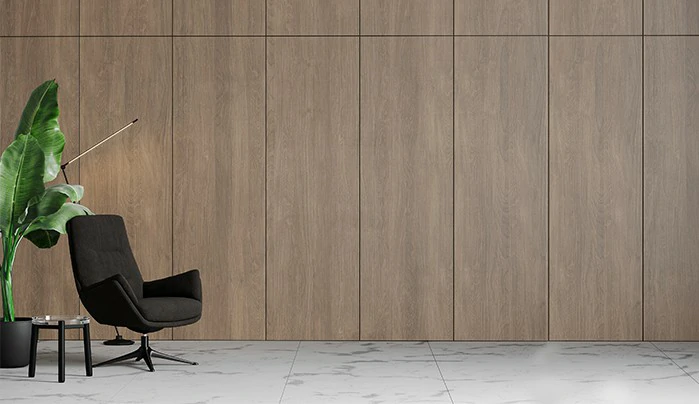
Why Decorative Plywood Is Widely Used for Interior Wall Paneling
Decorative plywood has become one of the most preferred wall paneling materials because it balances aesthetics, cost efficiency, and engineering performance.
Dimensional Stability for Large Interior Applications
Solid wood naturally expands and contracts with humidity fluctuations, which can lead to cracking or warping in large wall installations. Decorative plywood addresses this challenge by using cross-layered veneer construction that improves structural stability.
This layered construction helps:
- Reduce panel deformation
- Improve moisture resistance
- Maintain flatness over time
- Support larger wall panel dimensions
- Enhance installation consistency
For architects and contractors working on large-scale hospitality or office projects, dimensional stability is essential for maintaining clean visual lines across wide wall surfaces.
Flexible Surface Finishing Options
Decorative plywood can be finished with:
- Natural wood veneers
- UV coatings
- Matte lacquer
- High-gloss finishes
- Textured surfaces
- Stained wood treatments
This flexibility allows designers to create a wide range of interior aesthetics, from minimalist Scandinavian spaces to luxury executive environments.
Many developers sourcing plywood sheets for sale prioritize decorative versatility alongside structural reliability.
Cost-Effective Alternative to Solid Hardwood
Compared with solid timber wall systems, hardwood plywood offers:
| Material Feature | Decorative Plywood | Solid Hardwood |
|---|---|---|
| Material Stability | High | Medium |
| Cost Efficiency | Better | Lower |
| Surface Consistency | High | Variable |
| Installation Weight | Lower | Higher |
| Large Panel Availability | Excellent | Limited |
This combination of performance and affordability makes decorative plywood highly attractive for commercial interiors with strict budget targets.
Best Hardwood Plywood Types for Interior Wall Paneling
Different wood species create different visual and functional outcomes. Choosing the right hardwood plywood depends on both technical and aesthetic considerations.
Oak Hardwood Plywood
Oak remains one of the most widely used decorative plywood materials for wall paneling because of its recognizable grain texture and durability.
Advantages of Oak Panels
- Strong surface hardness
- Excellent stain absorption
- Timeless architectural appearance
- Suitable for modern and traditional interiors
- High wear resistance
Oak hardwood veneer plywood is frequently specified for:
- Hotel interiors
- Executive offices
- Retail environments
- Luxury apartments
- Conference spaces
Its grain patterns create a refined visual rhythm that works particularly well in large wall applications.
Walnut Decorative Plywood
Walnut decorative plywood offers a darker, more premium appearance often associated with luxury commercial interiors.
Best Applications
Walnut wood veneer plywood panels are commonly used in:
- High-end hospitality projects
- Premium retail stores
- Corporate boardrooms
- Luxury residential developments
The rich color variation and deep grain structure create sophisticated interior environments with strong visual depth.
Birch Hardwood Plywood Sheets
Birch hardwood plywood sheets are known for their clean appearance and excellent machinability.
Why Birch Is Popular
Birch plywood offers:
- Smooth surface consistency
- High screw-holding strength
- Excellent CNC processing performance
- Reliable edge quality
- Uniform veneer appearance
Because of these characteristics, birch is widely used in modular wall systems and customized interior panel fabrication.
Teak Decorative Plywood
Teak veneer plywood panels provide strong moisture resistance and warm visual character.
This makes teak particularly suitable for:
- Spa interiors
- Luxury resorts
- Yacht interiors
- High-humidity environments
Teak decorative plywood also delivers excellent long-term dimensional stability in climate-sensitive projects.
Key Factors to Consider When Choosing Decorative Plywood
Selecting decorative plywood for wall paneling requires balancing design expectations with technical performance requirements.
Veneer Quality and Thickness
The face veneer significantly affects final appearance quality. Higher-grade veneers offer:
- Better grain consistency
- Fewer visible defects
- Improved staining performance
- Enhanced finishing results
Thicker hardwood veneer plywood surfaces also allow for light sanding during future refinishing or maintenance.
Core Construction
The plywood core influences:
- Structural strength
- Fastener holding performance
- Weight
- Moisture resistance
- Machining behavior
Common core types include:
| Core Type | Performance Characteristics |
|---|---|
| Poplar Core | Lightweight and economical |
| Birch Core | Strong and stable |
| Eucalyptus Core | Dense and durable |
| Mixed Hardwood Core | Balanced performance |
For commercial wall systems, core stability is often as important as surface appearance.
Fire and Environmental Compliance
Modern commercial interiors increasingly require materials that comply with:
- CARB standards
- FSC certification
- E0 or E1 formaldehyde regulations
- Fire-retardant specifications
Specifiers should verify that decorative plywood products meet local building code and sustainability requirements before procurement.
Businesses sourcing premium Decorative Plywood often prioritize certified materials that support green building initiatives and commercial compliance standards.
Decorative Plywood Trends in Modern Interior Design
Interior wall paneling trends continue evolving alongside architectural preferences and sustainability goals.
Natural Texture and Organic Finishes
Many designers now prefer visible wood grain textures over synthetic laminate appearances. Natural hardwood veneer plywood creates warmth and authenticity that aligns with biophilic design concepts.
Popular finishes include:
- Matte oak
- Smoked walnut
- Wire-brushed ash
- Natural birch
- Open-pore teak
These finishes create visually calm environments while maintaining strong material identity.
Large-Format Wall Panels
Architectural projects increasingly use oversized wood veneer plywood panels to reduce visible seams and create cleaner wall compositions.
Large-format panels help achieve:
- Minimalist aesthetics
- Faster installation
- Improved visual continuity
- Reduced maintenance joints
This trend has increased demand for dimensionally stable hardwood plywood sheets capable of maintaining flatness across larger surface areas.
Sustainable Material Selection
Environmental responsibility is becoming a major procurement factor in commercial construction and interior manufacturing.
Buyers increasingly seek:
- FSC-certified wood products
- Low-emission adhesives
- Renewable raw materials
- Responsible forestry sourcing
- Long lifecycle materials
Manufacturers offering hardwood plywood low tariffs and sustainable sourcing advantages gain stronger competitiveness in international markets.
Projects focused on hardwood plywood low tariffs often combine procurement cost optimization with sustainability-driven material selection strategies.
How Hardwood Veneer Plywood Improves Manufacturing Efficiency
Beyond aesthetics, decorative plywood also supports manufacturing and installation efficiency.
CNC and Precision Fabrication Compatibility
Modern hardwood plywood sheets are highly compatible with:
- CNC routing
- Laser cutting
- Edge profiling
- Custom perforation
- Acoustic wall fabrication
This allows manufacturers to produce highly customized interior wall systems with precise tolerances.
Faster Installation Performance
Compared with traditional solid wood cladding systems, decorative plywood panels are often:
- Lighter
- Easier to handle
- Faster to install
- More dimensionally stable
Reduced installation time lowers labor costs and shortens project completion schedules.
Better Material Yield
Wood veneer plywood panels maximize valuable hardwood resources by using thin decorative veneers over engineered cores.
This improves:
- Raw material efficiency
- Cost control
- Sustainable resource usage
- Large-scale manufacturing scalability
As sustainability becomes increasingly important in global construction markets, engineered wood solutions continue gaining industry preference.
Common Applications of Decorative Hardwood Plywood
Decorative plywood serves a wide range of commercial and residential interior applications.
Hospitality Interiors
Hotels and resorts frequently use decorative plywood for:
- Guest room wall systems
- Reception areas
- Elevator lobby finishes
- Restaurant interiors
- Ceiling panels
The combination of warmth and durability makes hardwood plywood ideal for hospitality environments.
Commercial Office Spaces
Corporate projects use hardwood veneer plywood to create:
- Acoustic wall panels
- Executive office interiors
- Meeting room finishes
- Reception feature walls
Wood surfaces help improve workplace aesthetics while creating more welcoming interior environments.
Retail and Luxury Showrooms
Retail designers often select decorative plywood because it supports:
- Brand-oriented customization
- Premium visual presentation
- Flexible fabrication
- Durable traffic resistance
Luxury retailers particularly favor walnut and oak decorative plywood for upscale visual identity.
FAQ
What is decorative plywood?
Decorative plywood is an engineered wood panel featuring a visually appealing hardwood veneer surface designed for architectural and interior applications.
Why is hardwood plywood used for wall paneling?
Hardwood plywood provides excellent dimensional stability, attractive wood grain appearance, cost efficiency, and easier installation compared with solid hardwood.
What is the difference between hardwood plywood and hardwood veneer plywood?
Hardwood plywood refers to engineered plywood panels made with hardwood materials, while hardwood veneer plywood specifically emphasizes decorative hardwood face veneers applied over a plywood core.
Are wood veneer plywood panels durable?
Yes. High-quality wood veneer plywood panels offer strong structural stability, good wear resistance, and long-term interior performance when properly manufactured and installed.
Which wood species are most popular for decorative plywood?
Oak, walnut, birch, maple, teak, and ash are among the most widely used decorative plywood species for interior wall applications.
Can decorative plywood support sustainable building projects?
Yes. Many decorative plywood products are available with FSC certification, low formaldehyde emissions, and environmentally responsible manufacturing processes.
Why Voyage Supports Modern Decorative Plywood Solutions
Voyage specializes in supplying high-quality hardwood plywood products designed for architectural interiors, commercial wall paneling, furniture manufacturing, and decorative construction applications. With a strong focus on product consistency, veneer quality, sustainable sourcing, and manufacturing reliability, Voyage helps global buyers access decorative plywood solutions that meet both aesthetic expectations and technical performance requirements. From hardwood veneer plywood to large-format wood veneer plywood panels, Voyage supports modern interior projects with scalable and dependable material solutions.
References
- APA The Engineered Wood Association
https://www.apawood.org/ - Forest Stewardship Council
https://fsc.org/ - Wikipedia: Plywood
https://en.wikipedia.org/wiki/Plywood - U.S. Green Building Council
https://www.usgbc.org/