Where to Buy Decorative Plywood Sheets Near Me for Furniture and Interior Projects?
May 20, 2026
When businesses search for decorative plywood sheets near them, they are rarely looking for a simple retail purchase. Most buyers today are furniture manufacturers, cabinet factories, contractors, distributors, wholesalers, or interior project suppliers that need stable quality, scalable production, and long-term supply reliability. The best place to buy Decorative Plywood is usually from experienced hardwood plywood manufacturers that can provide consistent veneer quality, technical support, environmental compliance, and customized production according to project requirements.
As global interior standards continue to evolve, decorative plywood has become one of the most widely used engineered wood materials in commercial construction and furniture manufacturing. Compared with solid wood, hardwood plywood offers better dimensional stability, improved production efficiency, and more consistent finishing performance. This is why more commercial buyers are shifting toward engineered veneer plywood solutions for both residential and commercial applications.
Whether you are sourcing materials for office furniture, hotel interiors, retail fixtures, kitchen cabinetry, or architectural wall panels, understanding how to evaluate decorative plywood suppliers can significantly reduce procurement risks and improve overall project quality.
Why Decorative Hardwood Plywood Is Widely Used in Modern Manufacturing
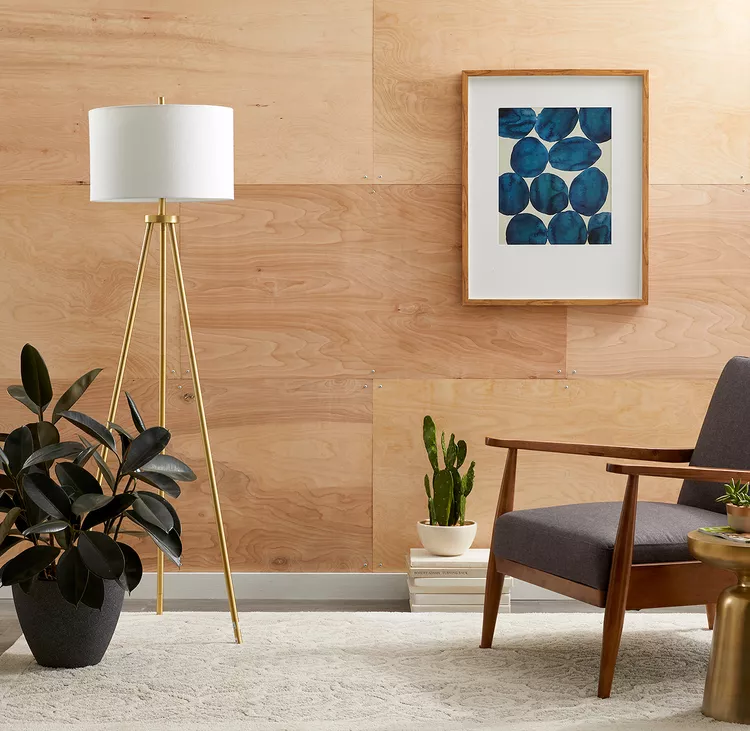
Decorative plywood is designed to combine structural strength with visual appeal. Unlike ordinary construction plywood, decorative panels use carefully selected hardwood veneers that provide a natural wood appearance suitable for exposed interior surfaces.
In recent years, the demand for hardwood veneer plywood has increased rapidly because manufacturers and contractors need materials that balance aesthetics, durability, and cost efficiency. Furniture producers especially value decorative plywood because it allows them to achieve premium wood finishes without the instability and high cost associated with solid timber.
For example, a hotel furniture manufacturer may require hundreds of identical cabinet panels with consistent grain patterns and stable dimensions. Solid wood can create variation in color, moisture movement, and processing behavior, while engineered hardwood plywood sheets provide more predictable performance during machining, coating, and installation.
This advantage becomes even more important in large commercial projects where material consistency directly affects installation efficiency and finishing quality.
What Buyers Should Consider Before Purchasing Decorative Plywood
Many buyers focus only on price during the sourcing process, but professional procurement teams usually evaluate several technical and operational factors before choosing a supplier.
The first consideration is veneer quality. Since decorative plywood is often visible in the final application, surface appearance matters significantly. Uneven grain patterns, inconsistent colors, or poor sanding quality can increase finishing costs and negatively affect the appearance of furniture or interior installations.
Core construction is equally important. A stable plywood core improves screw holding strength, reduces warping risks, and enhances CNC machining performance. Poor-quality cores with internal voids may lead to edge collapse or structural instability during fabrication.
Environmental compliance has also become a critical purchasing requirement. Many commercial projects now require low-emission plywood materials that meet international indoor air quality standards. Products such as CARB P2 hardwood plywood are increasingly specified for residential furniture, office systems, educational facilities, and hospitality projects because they help reduce formaldehyde emissions and support regulatory compliance.
Beyond technical specifications, buyers should also evaluate the supplier’s production capacity, export experience, packaging standards, and customization capabilities. A reliable supplier should be able to maintain consistent quality across multiple production batches while meeting delivery schedules for large-volume orders.
Where Commercial Buyers Usually Source Decorative Plywood
For professional buyers, sourcing channels vary depending on project size, technical requirements, and purchasing strategy.
Small workshops or local renovation contractors sometimes purchase decorative plywood through regional building material distributors because these suppliers can provide immediate inventory access. However, local distributors often have limited veneer options and reduced customization flexibility.
Larger commercial buyers typically prefer to work directly with hardwood plywood manufacturers. Direct factory sourcing allows buyers to customize panel dimensions, veneer species, core materials, glue standards, and moisture resistance according to project specifications. It also improves cost control for bulk orders and creates more stable long-term supply relationships.
International buyers increasingly rely on export-oriented manufacturers because these companies understand global compliance standards, commercial packaging requirements, and container loading efficiency. For example, a furniture factory exporting products to North America may specifically request CARB-compliant decorative plywood to ensure the finished furniture meets local environmental regulations.
Architectural material suppliers are another important sourcing channel. These suppliers often focus on premium interior applications and provide specialized veneer collections for luxury commercial environments such as hotels, office towers, and retail developments.
As digital procurement becomes more common, many buyers now search online for reliable wood panel manufacturers. However, online sourcing requires careful supplier verification. Buyers should always review certifications, production capabilities, and sample quality before placing large orders.
How Decorative Plywood Improves Furniture Production Efficiency
One of the biggest reasons furniture manufacturers choose decorative plywood is manufacturing efficiency. Engineered plywood panels provide greater dimensional consistency than solid wood, which helps improve precision during automated processing.
Modern furniture production lines rely heavily on CNC cutting, edge banding, drilling, and lamination systems. Stable hardwood plywood sheets reduce machining errors and help manufacturers maintain consistent product quality across large production volumes.
Decorative plywood also simplifies surface finishing. Because veneer layers are factory-controlled, the sanding and coating process becomes more predictable. This helps reduce labor costs while improving finishing efficiency.
For example, office furniture manufacturers producing modular workstation systems often require panels with uniform thickness and surface consistency. Decorative plywood allows these factories to streamline production while maintaining professional visual standards.
Another important advantage is material utilization. Solid hardwood generates more waste during cutting and shaping, while engineered plywood maximizes the use of natural timber resources. This improves production efficiency and supports sustainability goals.
Choosing the Right Veneer for Different Applications
The decorative veneer surface significantly affects the final appearance of plywood products. Different wood species create different visual effects and performance characteristics.
Oak veneer remains one of the most popular choices for commercial furniture because it provides a balanced combination of durability, texture, and contemporary appearance. Walnut veneer is frequently used in premium office furniture and luxury interiors because of its darker color and sophisticated grain patterns.
Ash veneer is often selected for modern minimalist designs, while maple veneer provides a lighter and cleaner visual style suitable for educational furniture and residential cabinetry.
In hospitality and retail environments, designers often prefer customized veneer matching to maintain consistent aesthetics throughout large interior spaces. This is why many project buyers work directly with manufacturers capable of producing customized wood veneer plywood panels according to architectural requirements.
The choice of veneer should also consider finishing compatibility, wear resistance, and maintenance expectations. In high-traffic commercial environments, durable surface performance is just as important as appearance.
Common Problems Buyers Encounter When Sourcing Decorative Plywood
Although decorative plywood is widely used across the industry, sourcing problems still occur when supplier evaluation is insufficient.
One common issue is inconsistent veneer quality between production batches. Some suppliers may provide high-quality samples initially but fail to maintain the same standards during bulk production. This can create color variation problems during furniture assembly or interior installation.
Another challenge involves unstable moisture content. If plywood panels are not properly dried and controlled during manufacturing, they may warp or deform after installation, especially in environments with fluctuating humidity levels.
Low-grade core construction is another risk factor. Internal voids and weak bonding layers can reduce structural stability and negatively affect machining performance. For cabinet manufacturers and CNC processing facilities, this issue may increase production waste and slow down manufacturing efficiency.
Certification inconsistency also creates challenges for international buyers. Some suppliers claim environmental compliance without providing reliable third-party testing documentation. Professional buyers should always verify certifications through recognized testing agencies before confirming orders.
Table 1. Important Factors When Evaluating Decorative Plywood Suppliers
| Evaluation Item | Why It Matters | Recommended Standard |
|---|---|---|
| Veneer Quality | Affects final appearance | Uniform grain and color consistency |
| Core Stability | Improves structural performance | Void-free layered construction |
| Emission Compliance | Supports indoor air safety | CARB P2 or E1 certification |
| Moisture Control | Reduces deformation risks | Stable moisture management |
| Production Capacity | Ensures consistent supply | Industrial-scale manufacturing |
| Customization Ability | Supports project flexibility | OEM and specification support |
| Export Experience | Improves logistics reliability | International shipping capability |
Looking for reliable decorative plywood solutions for your next commercial project? Contact Voyage for customized hardwood plywood support.
Why More Global Buyers Are Working Directly With Manufacturers
The global decorative plywood market has become increasingly competitive, and buyers are now placing greater emphasis on supply chain reliability. Working directly with manufacturers provides more control over product quality, lead times, and technical specifications.
Direct cooperation also improves communication efficiency. Instead of working through multiple intermediaries, buyers can discuss veneer selection, panel dimensions, surface grades, and packaging details directly with the production team.
For distributors and wholesalers, factory partnerships also create opportunities for private labeling and OEM product development. This helps companies build differentiated product portfolios while maintaining better cost control.
In addition, experienced manufacturers are more likely to invest in advanced production technology, automated sanding systems, precision veneer processing, and environmental compliance testing. These investments help improve product consistency and manufacturing stability over time.
FAQ
What is decorative plywood mainly used for?
Decorative plywood is commonly used in furniture manufacturing, interior wall systems, cabinetry, retail fixtures, hotel projects, and commercial architectural applications where both appearance and structural stability are important.
Is hardwood plywood better than solid wood for furniture production?
In many commercial applications, hardwood plywood provides better dimensional stability, improved machining performance, and more consistent finishing results than solid wood.
What should buyers check before purchasing hardwood plywood sheets?
Buyers should evaluate veneer quality, core construction, emission certifications, moisture stability, supplier production capacity, and export experience before placing orders.
Why is CARB P2 certification important for decorative plywood?
CARB P2 certification helps ensure low formaldehyde emissions, which supports indoor air quality compliance for furniture and interior applications.
Can decorative plywood be customized for commercial projects?
Yes. Professional manufacturers can customize veneer species, thickness, core materials, dimensions, surface grades, and glue standards according to project requirements.
About Voyage
Voyage is a professional hardwood plywood manufacturer focused on providing reliable decorative panel solutions for furniture manufacturing, interior construction, cabinetry, and architectural applications. With extensive industry experience and a strong commitment to quality consistency, Voyage supplies hardwood plywood products that combine visual appeal, structural stability, and environmental compliance for global commercial markets. From customized veneer selection to scalable bulk production support, Voyage helps distributors, contractors, wholesalers, and furniture manufacturers achieve more efficient and dependable material sourcing.
References
- Forest Stewardship Council (FSC)
https://fsc.org - U.S. Environmental Protection Agency – Formaldehyde Emission Standards
https://www.epa.gov/formaldehyde/formaldehyde-emission-standards-composite-wood-products - APA – The Engineered Wood Association
https://www.apawood.org - Wikipedia – Plywood
https://en.wikipedia.org/wiki/Plywood