What Is Flexible Stone? Materials, Applications and a Buyer’s Guide
November 13, 2026
Flexible stone is a thin decorative material that mimics the look of natural stone. Compared with conventional stone slabs, it usually weighs less and can bend more easily. Depending on the model and its test results, you can use it on interior walls, columns and selected exterior surfaces.
For importers, distributors and project buyers, appearance is only one part of the decision. Before you place an order, check whether the material, panel dimensions and installation system fit the project. This guide explains how to compare options and what to verify for local conditions.
1. What Does “Flexible Stone” Mean?
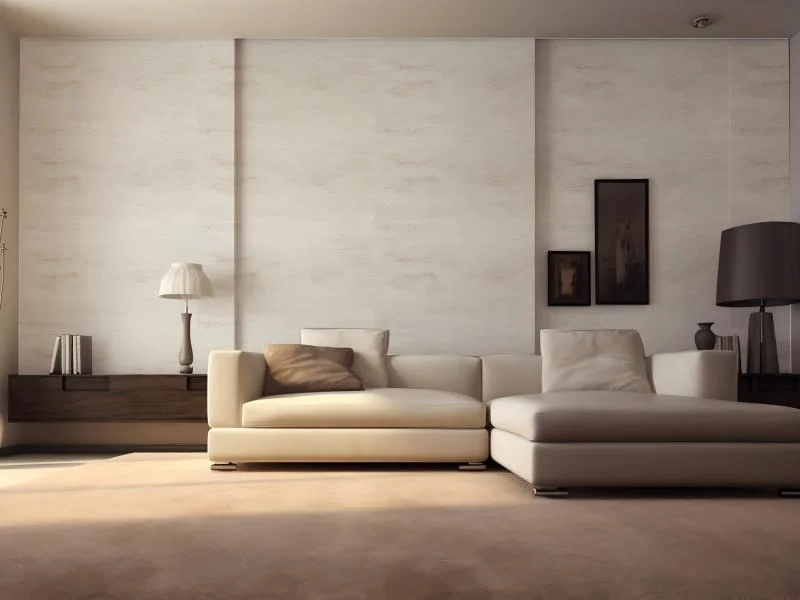
“Flexible stone” is a broad term for thin decorative panels or sheets that mimic stone textures and can bend to varying degrees. For example, finishes can resemble travertine, sandstone, slate, marble or rammed earth. Suppliers sometimes call these products flexible stone veneer or MCM (modified clay material) panels. However, names and formulations vary by supplier.
For this reason, two products with the same name can differ in composition, flexibility, weight, water resistance, fire performance and installation methods. Ask for the exact specifications and test reports for the model on your quote.
2. How Is Flexible Stone Different from Natural Stone?
Producers quarry natural stone and cut it into slabs, tiles or other shapes. In contrast, manufacturers make flexible stone in thinner sheets that mimic selected stone finishes. The benefits and limits depend on how the panel is made and what surface it goes on.
| Consideration | Flexible stone panels | Natural stone |
| Weight and handling | Often lighter; verify actual kg/m² for the selected model. | Varies by stone type, thickness and format; heavier slabs may require additional handling. |
| Design appearance | Manufactured patterns can provide repeatable decorative effects. | Natural variation in color, veining and texture is part of the material’s character. |
| Curved or detailed surfaces | Some products can follow suitable curved surfaces within manufacturer limits. | Curving generally requires specialized fabrication or smaller pieces. |
| Installation | Requires a compatible substrate, adhesive/system and installation method. | Depends on stone format, weight, anchoring and project conditions. |
| Durability and maintenance | Assess using product-specific test data and installation instructions. | Depends on stone type, finish, sealing, fixing and exposure. |
Use this comparison as a starting point. When comparing products for the same use, check the full installation system, including the surface behind the panel and how the installer attaches it.
3. Common Looks and Decorative Applications
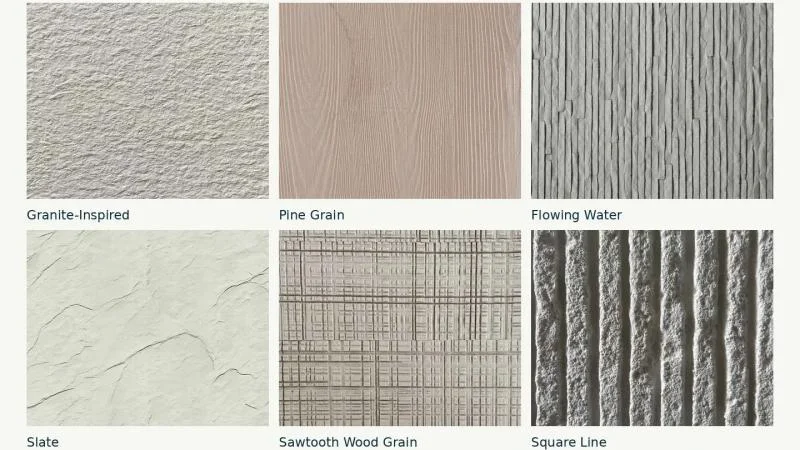
Flexible stone comes in several types of finish. However, the options vary by supplier and collection. Before you specify a finish, check a physical sample and ask about color consistency and production options.

Stone-look finishes
Travertine, slate, sandstone and other stone-inspired designs work well as design options for reception areas, feature walls, hotels, shops and residential common areas. For large projects, lay several samples side by side to check whether the pattern repeats or the shade changes.
Wood-grain and artistic finishes
Some collections include wood-inspired textures or more expressive artistic patterns. For example, you can use these finishes on a feature wall to emphasize texture. Before you order, check the available dimensions, batch quantities and lead times.
Typical project uses
Depending on the model, you can use flexible stone on interior feature walls, columns, reception counters or selected exterior walls. However, a thin or flexible panel may still be unsuitable for façades, wet areas, ceilings or areas that take frequent knocks. Ask the manufacturer for written limits.
4. Can Flexible Stone Be Used on Curved Surfaces?
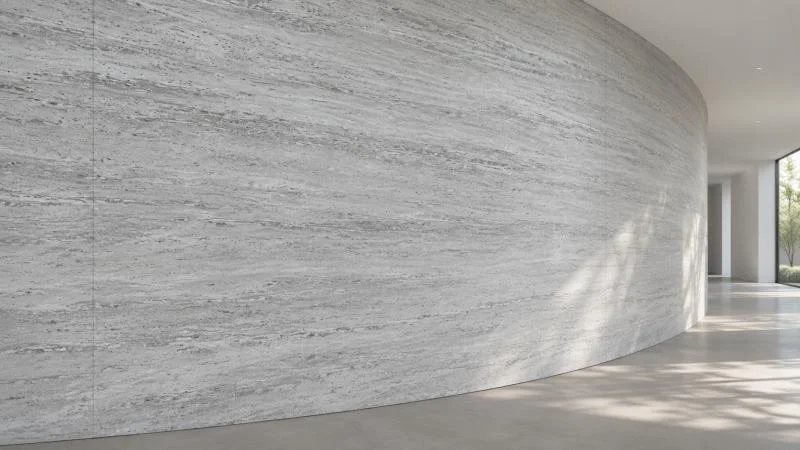
Some flexible stone panels can follow gentle curves and rounded columns that are difficult to cover with rigid stone slabs. However, each model has its own limits. Before you finalize the design, confirm the minimum bending radius, suitable wall shapes, joint details and installation method.
For example, ask for a sample or installation video that shows the exact model. Bending a sample by hand only shows how it behaves in that demonstration. Check the installation instructions for the curve you plan to cover.
5. What Should B2B Buyers Check Before Ordering?
A. Material composition and construction
First, ask for a technical data sheet that lists the materials, surface finish, backing (if present) and limits for that model. Then check that the quote, sample and data sheet all refer to the same product.
B. Dimensions, thickness and weight
Check panel dimensions, thickness tolerance, weight per square metre, coverage per pack and packing method. For example, a weight per panel tells you something different from a weight per pack or per square metre. Use the right unit when calculating freight and landed cost or planning handling and installation.
C. Installation system
Ask which wall surfaces the supplier recommends and which adhesive or fixing system to use. Also ask how to finish joints and corners, and whether you need a primer, sealer or special surface preparation. Finally, clarify who provides installation guidance and which conditions affect warranty coverage.
D. Performance and compliance documents
Request reports that match the intended use and destination market. For example, a project may require fire, water resistance, weathering, adhesion, dimensional stability or emissions data. Then check the test method, date, model and lab. Use the results only for the product the report covers.
E. Samples, batch consistency and quality control
Before bulk production, approve a physical sample. For larger orders, agree on acceptable color and texture variation, which samples to keep, inspection criteria and packaging protection. Also ask how the supplier keeps batches consistent and handles damaged or out-of-spec panels.
F. Packaging, shipping and order planning
For shipping, confirm the number of panels per carton and cartons per pallet, net and gross weights, and carton dimensions. Also check how the supplier stacks, protects and loads the cartons. Finally, ask about minimum order quantities, colors, lead times for samples and production, and export and import paperwork.

6. Considerations for the Middle East, West Asia and Central Asia
Climate, building practices, wall construction, installer experience and buying requirements vary across these regions. For example, a panel that suits a climate-controlled interior may not suit an exposed exterior wall.
In hot, sunny or dusty conditions, ask what exposure the supplier tested and what temperature and weather limits apply to installation. For exterior use, check UV, temperature cycling, moisture, wind-driven rain and wall movement as relevant. Indoors, focus on cleaning instructions, emissions documents and project-specific fire requirements.
In Central Asia, consider seasonal temperature changes, transport conditions and access to trained installers. Before you confirm a product for any market, check the project specifications and local code. Appearance and thickness alone tell you little about how a panel handles the climate.
7. How to Evaluate a Flexible Stone Supplier
Use these questions to compare suppliers and see what each can confirm in writing:
- Which model are you quoting, and what are its construction, dimensions, thickness and weight?
- Do the sample, quotation and technical documents refer to that same model?
- Where can buyers find written application limits and installation instructions?
- What does each test report cover?
- How much can you produce, how do you pack orders, and what are your lead times and minimum quantities?
- Who handles sample approval, batch inspection and export paperwork?
- Which documents support your claims about emissions, fire performance or exterior use?
8. Frequently Asked Questions
Is flexible stone real natural stone?
Not necessarily. The term often refers to a manufactured material that mimics the look of natural stone. For example, a panel may look like travertine without containing quarried travertine. Ask the supplier what the product contains.
Is flexible stone waterproof?
Water resistance depends on the panel, joints, wall surface, adhesive and the installation as a whole. Therefore, ask for test data and installation instructions for the exact model.
Can flexible stone be used outdoors?
Some models suit selected exterior uses, while others suit only interiors. Before you specify a model outdoors, check where the supplier allows its use and ask for evidence on weathering, UV exposure, temperature and adhesion.
Is flexible stone suitable for curved walls?
Some models can follow gentle curves. However, the limits vary. Ask the manufacturer to confirm the minimum bending radius, suitable wall surfaces and installation method.
What information should importers request before ordering?
Start with the technical data sheet, panel dimensions, thickness, weight and packing details. Also ask for installation instructions, relevant test reports, the sample approval process, lead time and export paperwork.
Conclusion: Specify the Product Before You Specify the Project
Flexible stone gives designers and buyers another way to achieve a stone-like finish. For example, it can help when handling weight, matching finishes or covering a gentle curve matters. The right choice still depends on the model, wall surface, installation system and site conditions.
Before placing a bulk order, compare physical samples, check the technical documents and confirm where you plan to use the panels. Voyage’s flexible stone collections include stone-look, wood-grain and artistic design directions. Contact our team to discuss available designs, samples, specifications and project requirements.