What Are the Top Rated Decorative Plywood Brands for Furniture Making and How Do You Choose the Right One?
June 10, 2026
The top rated decorative plywood brands for furniture making are those that consistently deliver stable core structure, premium surface finishing, environmental compliance, and reliable supply capability for global furniture manufacturers. In practical sourcing terms, “best brand” does not only refer to popularity but to how well the material performs in real production environments such as cabinetry, office furniture, hotel interiors, and retail fixtures. For example, manufacturers producing premium wardrobes often prefer hardwood plywood for its structural strength, while high end interior designers rely on Decorative Plywood for surface aesthetics and finish consistency. The right brand selection directly influences furniture durability, cost efficiency, and final product appearance.
In today’s global furniture industry, buyers are no longer simply purchasing raw materials. They are selecting performance driven engineered wood solutions that must meet strict environmental regulations, cost targets, and design expectations.
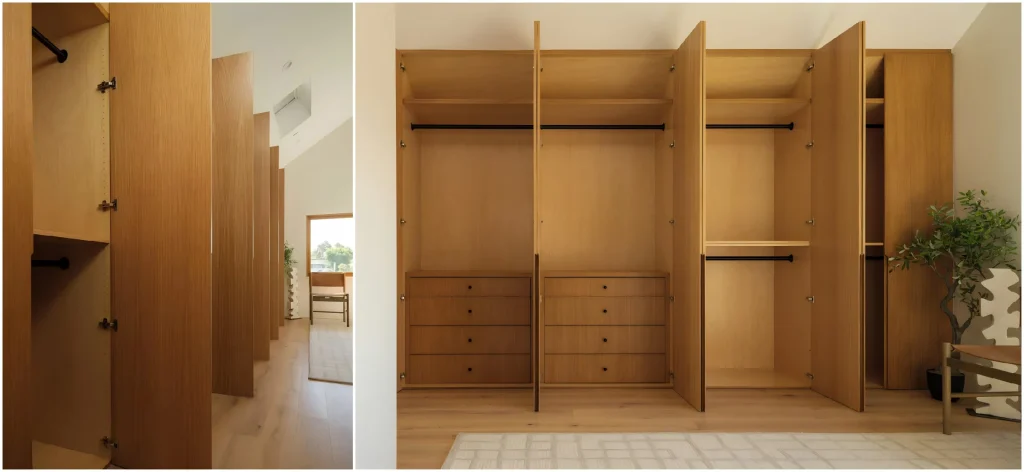
Understanding What Makes Decorative Plywood a “Top Rated” Material
A decorative plywood brand earns its reputation through a combination of material quality, production consistency, certification compliance, and supply chain reliability.
Structural Stability and Core Engineering
High quality plywood must maintain dimensional stability under varying humidity and temperature conditions.
This is especially important for furniture manufacturers producing large scale installations such as hotel furniture or modular office systems.
Materials such as hardwood plywood sheets are widely used because they offer strong load bearing capacity and reduced deformation risk.
Surface Veneer Quality and Aesthetic Performance
In decorative applications, surface quality is just as important as structural strength.
Premium wood veneer plywood panels provide natural wood grain appearance while maintaining engineered stability beneath the surface layer.
Key Types of Decorative Plywood Used in Furniture Manufacturing
Different furniture applications require different plywood specifications depending on cost, durability, and finishing requirements.
Hardwood Based Engineered Panels
One of the most widely used materials in furniture production is hardwood veneer plywood, which combines natural wood aesthetics with engineered durability.
Manufacturers often choose hardwood based products for:
- Cabinet doors
- Wardrobes
- Office desks
- Retail fixtures
For suppliers offering large scale sourcing options, many buyers explore plywood sheets for sale to evaluate cost effective procurement solutions across different grades and specifications.
Engineered Compliance Grade Panels
Environmental compliance has become a critical requirement in global furniture manufacturing.
Products such as CARB P2 hardwood plywood are designed to meet strict formaldehyde emission standards, making them suitable for export to North American and European markets.
Common Hardwood Plywood Categories in Furniture Production
Furniture manufacturers typically select plywood based on application requirements, budget constraints, and finishing expectations.
Maple and Oak Based Decorative Panels
Different wood species create different visual and performance characteristics.
For example, Maple Hardwood Plywood is often chosen for modern minimalist furniture designs due to its light color tone and smooth grain structure.
Meanwhile, Oak Hardwood Plywood is widely used in traditional furniture applications because of its strong grain pattern and premium visual appeal.
Industrial Grade Hardwood Panels
For large scale manufacturing, consistency and cost efficiency are critical.
Many factories rely on hardwood plywood low tariffs sourcing strategies to maintain competitive pricing while ensuring stable supply chains for mass production.
Comparison of Decorative Plywood Types for Furniture Applications
Caption: Performance Comparison of Common Decorative Plywood Materials
| Material Type | Primary Use | Key Advantage | Typical Furniture Application |
|---|---|---|---|
| Hardwood Plywood | Structural furniture frames | High strength and durability | Cabinets, wardrobes |
| Decorative Plywood | Surface finishing | Aesthetic flexibility | Interior panels, furniture facings |
| Hardwood Veneer Plywood | Premium furniture surfaces | Natural wood appearance | Luxury furniture |
| CARB P2 Hardwood Plywood | Export furniture production | Environmental compliance | US and EU market furniture |
| Wood Veneer Plywood Panels | Decorative interiors | Design versatility | Hotels, offices |
This comparison helps manufacturers select the correct material based on both functional and aesthetic requirements.
Why Decorative Plywood Is Essential for Modern Furniture Manufacturing
Furniture design trends have shifted toward materials that combine durability with visual appeal.
Rising Demand for Engineered Wood Solutions
Solid wood is increasingly replaced by engineered alternatives due to cost efficiency and environmental sustainability.
Materials like hardwood plywood offer consistent quality and reduced material waste during production.
Flexibility in Design and Manufacturing
Decorative plywood allows manufacturers to produce complex furniture designs without compromising structural integrity.
This flexibility is especially important for modular furniture systems and customized interior projects.
Mid Article CTA
If you are sourcing engineered wood materials or need assistance selecting the right plywood specifications for furniture production, you can contact our team here: https://www.voyagehndr.com/contact-us/
Key Factors That Define High Quality Decorative Plywood Brands
Choosing the right supplier requires careful evaluation of multiple technical and commercial factors.
Raw Material Selection and Veneer Quality
The quality of raw logs and veneer slicing technology directly impacts final product performance.
High grade veneers reduce surface defects and improve finishing consistency.
Adhesive Technology and Environmental Standards
Modern plywood production relies on advanced adhesives that must meet international emission standards.
Compliance with certifications such as CARB P2 ensures suitability for global furniture markets.
Production Consistency and Quality Control
Stable production processes ensure uniform thickness, density, and surface quality across batches.
This is essential for large furniture manufacturers requiring predictable material behavior.
Decorative Plywood in Global Furniture Supply Chains
Furniture manufacturers increasingly rely on integrated supply chains to maintain cost efficiency and production stability.
Global Sourcing Trends
International buyers often seek suppliers that can provide consistent quality at competitive pricing.
This has increased demand for engineered wood products that balance performance and affordability.
Industrial Applications
Decorative plywood is widely used across:
- Residential furniture
- Commercial interiors
- Hospitality projects
- Retail environments
Each application requires specific material characteristics depending on usage intensity and design requirements.
How Manufacturers Optimize Cost Using Hardwood Plywood
Cost optimization is a key priority for furniture producers.
Material Efficiency and Waste Reduction
Engineered plywood reduces waste compared to solid wood because of its uniform structure and predictable machining behavior.
Tariff and Trade Considerations
Global sourcing strategies often include evaluating hardwood plywood low tariffs opportunities to reduce landed cost in export markets.
Long Term Value Optimization
While initial cost is important, long term durability and performance often have a greater impact on overall profitability.
FAQ
What is decorative plywood used for?
Decorative plywood is commonly used in furniture manufacturing, interior decoration, cabinetry, and commercial interior projects.
What is the difference between hardwood plywood and decorative plywood?
Hardwood plywood focuses on structural strength, while decorative plywood emphasizes surface appearance and finishing quality.
Why is CARB P2 certification important?
CARB P2 certification ensures low formaldehyde emissions, making the plywood suitable for regulated markets such as the United States.
Which plywood is best for furniture making?
It depends on application. Hardwood plywood is ideal for structural furniture, while veneer plywood is better for visible surfaces.
Is hardwood veneer plywood suitable for export furniture?
Yes, hardwood veneer plywood is widely used in export furniture due to its combination of strength and natural wood appearance.
About Voyage
Voyage is a professional furniture materials brand specializing in high quality plywood solutions for global manufacturers. With a strong focus on engineered wood innovation, stable supply chains, and international market compliance, Voyage provides reliable decorative plywood solutions for furniture production, interior design, and commercial applications. The company supports clients with consistent quality materials that help improve manufacturing efficiency and final product performance.
References
Wikipedia – Plywood
https://en.wikipedia.org/wiki/Plywood
FAO Forestry Products Overview
https://www.fao.org/forestry
U.S. EPA Formaldehyde Standards for Composite Wood Products
https://www.epa.gov/formaldehyde
European Panel Federation
https://europanels.org