How Do Premium Decorative Plywood Prices Compare Across Different Suppliers?
June 3, 2026
When comparing pricing for premium Decorative Plywood sheets from different suppliers, the lowest quoted price rarely represents the best overall value. Material quality, veneer species, core construction, environmental certifications, production standards, customization capabilities, logistics costs, and supply chain reliability all contribute to the true cost of ownership. For importers, distributors, furniture manufacturers, architects, and commercial project buyers, understanding these pricing variables is essential for making informed procurement decisions. While one supplier may offer lower upfront pricing, another may deliver superior consistency, lower defect rates, and greater long-term value. This article explores how premium decorative plywood pricing varies across suppliers and what decision-makers should evaluate beyond the price tag.
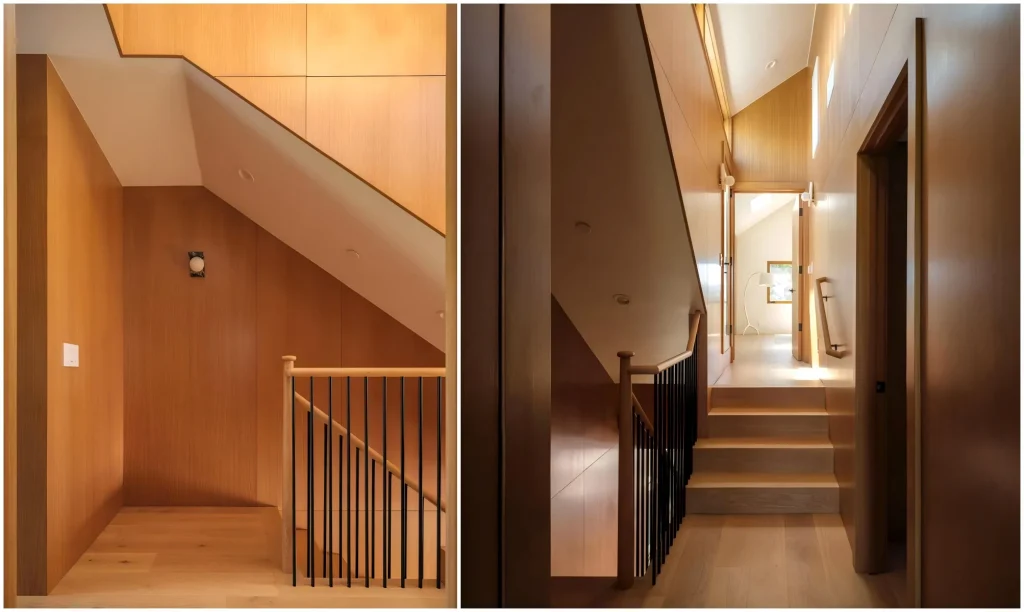
What Factors Influence the Price of Premium Decorative Plywood?
Premium Decorative Plywood products are manufactured for applications where aesthetics, structural stability, and durability are equally important. As a result, pricing can vary significantly depending on several technical specifications.
Veneer Species and Appearance Grade
The face veneer is one of the largest contributors to plywood cost. Exotic wood species, highly figured grains, and premium appearance grades command higher prices than standard decorative surfaces.
Common premium veneer options include:
- Oak
- Maple
- Walnut
- Cherry
- Ash
- Teak
For example, projects requiring premium grain matching or architectural-grade finishes often favor veneer selections that increase material costs but deliver superior visual consistency.
Buyers seeking specialized species often compare options such as Maple Hardwood Plywood when evaluating furniture-grade applications where appearance is a critical purchasing factor.
Core Construction Quality
The quality of the plywood core directly affects stability, machining performance, and lifespan.
Premium hardwood plywood typically utilizes:
- Multi-layer hardwood cores
- High-density veneer construction
- Minimal void content
- Precision lamination techniques
Lower-cost alternatives may contain inconsistent core materials that can lead to warping, delamination, or reduced screw-holding performance.
Manufacturing Standards
Factories with advanced production systems generally offer more consistent products.
Pricing often reflects investments in:
- Automated veneer grading
- Precision hot pressing
- Moisture control systems
- Surface finishing technology
- Quality assurance testing
Suppliers operating under strict quality standards typically provide products with tighter tolerances and reduced variability.
Why Supplier Location Significantly Impacts Pricing
The geographical location of a supplier plays a major role in determining final procurement costs.
Regional Manufacturing Advantages
Different manufacturing regions offer distinct cost structures.
Asian producers often benefit from:
- Integrated supply chains
- Large-scale production capacity
- Competitive labor costs
- Established export infrastructure
European manufacturers may command premium pricing due to:
- Advanced sustainability requirements
- Specialized craftsmanship
- Higher labor costs
North American suppliers frequently position themselves between these two extremes, offering shorter delivery times but potentially higher production expenses.
Logistics and Shipping Costs
Freight expenses have become an increasingly important component of total plywood procurement costs.
Factors affecting landed cost include:
- Container availability
- Shipping distance
- Port congestion
- Customs requirements
- Tariff structures
For international buyers, evaluating the complete landed cost rather than the factory price provides a more accurate basis for comparison.
Many importers today actively seek sourcing solutions such as hardwood plywood low tariffs to improve procurement efficiency while maintaining material quality.
Comparing Premium Decorative Plywood Price Ranges
Although exact pricing varies according to specifications, understanding general market positioning helps buyers establish realistic expectations.
| Pricing Factor | Economy Suppliers | Mid-Range Suppliers | Premium Suppliers |
|---|---|---|---|
| Veneer Quality | Standard Grade | Furniture Grade | Architectural Grade |
| Core Construction | Mixed Core | Hardwood Core | Premium Multi-Ply Hardwood Core |
| Surface Consistency | Moderate | Good | Excellent |
| Moisture Stability | Basic | Improved | High Performance |
| Quality Inspection | Random Sampling | Standard QC | Comprehensive QC |
| Customization Options | Limited | Moderate | Extensive |
| Technical Support | Minimal | Available | Dedicated Support |
| Typical Project Use | General Construction | Commercial Furniture | Luxury Interiors & Architectural Projects |
The table demonstrates that higher prices often correspond with enhanced performance, improved aesthetics, and reduced project risk.
Cost Per Sheet Versus Total Project Value
Decision-makers frequently focus on the cost per sheet without considering downstream impacts.
A premium hardwood veneer plywood product may cost more initially but can deliver:
- Faster installation
- Lower rejection rates
- Reduced finishing labor
- Improved appearance consistency
- Greater client satisfaction
In large commercial projects, these benefits often outweigh modest differences in material costs.
How Certifications Affect Decorative Plywood Pricing
Environmental compliance and indoor air quality standards increasingly influence purchasing decisions.
CARB Compliance and Emission Standards
Many buyers serving North American markets require plywood products that comply with strict formaldehyde emission regulations.
Products such as CARB P2 hardwood plywood are often specified for furniture, cabinetry, educational facilities, and residential projects where indoor air quality is a priority.
While certified products may carry slightly higher manufacturing costs, they help buyers meet regulatory requirements and avoid compliance-related risks.
Sustainability and Responsible Sourcing
Environmental certifications increasingly impact purchasing specifications.
Common requirements include:
- FSC-certified wood sourcing
- Sustainable forestry practices
- Low-emission adhesives
- Responsible supply chain management
Many architects and developers now include sustainability criteria within project tender documents, making certification an important factor when evaluating supplier pricing.
Looking for tailored plywood solutions and competitive project quotations? Contact the Voyage team today: Request a consultation.
Evaluating Supplier Value Beyond Initial Price
The most successful procurement teams evaluate suppliers using a broader framework than simple cost comparisons.
Production Consistency
Consistency is particularly important for furniture manufacturers and commercial interior projects.
Reliable suppliers provide:
- Uniform veneer color
- Consistent thickness tolerances
- Stable moisture content
- Predictable machining performance
Inconsistent materials can generate significant hidden costs during production and installation.
Custom Manufacturing Capabilities
Premium projects often require specialized specifications.
Examples include:
- Custom panel dimensions
- Specialized veneer matching
- Fire-rated constructions
- Moisture-resistant cores
- Project-specific finishing
Suppliers with strong engineering and manufacturing capabilities can provide solutions that reduce overall project complexity.
Supply Chain Reliability
Stable delivery schedules often hold greater value than marginal price differences.
Buyers should assess:
- Manufacturing capacity
- Inventory management
- Export experience
- Lead-time reliability
- Communication responsiveness
A supplier that consistently delivers on schedule can significantly reduce operational risks.
For hospitality, commercial office, and luxury residential projects, buyers frequently evaluate options such as Oak Hardwood Plywood because of its balance of durability, aesthetics, and long-term value.
Common Mistakes Buyers Make When Comparing Decorative Plywood Prices
Many procurement decisions focus too heavily on upfront quotations.
Ignoring Technical Specifications
Two plywood sheets may appear similar but differ substantially in:
- Core density
- Veneer thickness
- Adhesive quality
- Surface preparation
- Structural performance
Comparing products without aligning technical specifications often leads to inaccurate conclusions.
Overlooking Quality Control Processes
Factories vary significantly in quality assurance practices.
Without robust inspection systems, buyers may experience:
- Color inconsistency
- Surface defects
- Delamination issues
- Thickness variation
Quality problems frequently result in higher project costs than initial material savings.
Underestimating Long-Term Performance
Premium wood veneer plywood panels often deliver superior durability and stability over their service life.
For commercial environments, these advantages contribute to lower maintenance costs and longer replacement cycles.
Future Pricing Trends in Premium Decorative Plywood
Several market developments are expected to influence plywood pricing over the coming years.
Growing Demand for Sustainable Materials
As sustainability requirements increase, certified wood products are likely to command greater market attention.
Technological Advancements
Automation and advanced manufacturing systems may improve efficiency while enhancing product consistency.
Global Supply Chain Diversification
Many buyers are diversifying sourcing strategies to improve resilience and reduce dependency on a single region.
This trend is creating new opportunities for suppliers that combine competitive pricing with dependable production capabilities.
Frequently Asked Questions
Why do premium decorative plywood prices vary so much between suppliers?
Pricing differences typically reflect variations in veneer species, core construction, manufacturing quality, certifications, customization options, and logistics costs.
Is the cheapest Decorative Plywood always the best option?
Not necessarily. Lower-priced products may result in higher costs later due to defects, inconsistent quality, installation challenges, or reduced durability.
What certifications should buyers look for?
Depending on the target market, buyers commonly seek CARB compliance, FSC certification, and other environmental or sustainability credentials.
How important is veneer thickness when comparing plywood prices?
Veneer thickness significantly affects appearance quality, durability, repairability, and long-term performance, making it a key comparison factor.
What industries use premium hardwood plywood sheets most frequently?
Furniture manufacturing, architectural millwork, commercial interiors, hospitality projects, cabinetry production, and luxury residential construction are among the most common applications.
Why Choose Voyage as Your Decorative Plywood Supplier?
Voyage is a trusted decorative plywood supplier committed to delivering premium-quality panel products for furniture manufacturers, distributors, architects, contractors, and commercial project developers worldwide. Our extensive product portfolio includes Decorative Plywood, hardwood plywood, hardwood veneer plywood, hardwood plywood sheets, and wood veneer plywood panels designed to meet demanding performance and aesthetic requirements. Through strict quality control, reliable sourcing, advanced manufacturing partnerships, and responsive customer support, Voyage helps clients achieve the ideal balance of cost efficiency, product consistency, and long-term project value. Whether your priority is architectural-grade finishes, sustainable sourcing, or large-scale supply reliability, Voyage provides solutions tailored to professional buyers.
References
Wood-based panel overview (Wikipedia)
https://en.wikipedia.org/wiki/Plywood
Forest Stewardship Council (FSC)
https://fsc.org
California Air Resources Board (CARB) Composite Wood Products Regulation
https://ww2.arb.ca.gov
APA – The Engineered Wood Association
https://www.apawood.org
Food and Agriculture Organization of the United Nations (FAO) Forestry Resources
https://www.fao.org/forestry