كيف يمكن للمشترين التجاريين العثور على موردين محليين يقدمون منتجات الخشب الرقائقي الزخرفي المتخصصة للمشاريع المعمارية؟
17 يونيو 2026
يواجه المقاولون التجاريون وشركات الهندسة المعمارية الداخلية ومصنعو الخزائن الفاخرة عقبات شراء مميزة عند البحث عن مواد تغطية عالية الجودة. وللعثور على موردين محليين يقدمون منتجات الخشب الرقائقي الزخرفي المتخصصة، يتعين على المشترين من الشركات تحليل شبكات الموزعين الإقليميين بالجملة، وسجلات الجمعيات التجارية المتخصصة، وسلاسل التوريد العالمية المثبتة التي تتعامل مباشرة مع المصانع. يضمن العثور على شريك إقليمي متميز الوصول الفوري إلى مواد ذات جودة معمارية مثل قشور الخشب الصلب المتطابقة، والركائز ذات الجودة البحرية، والألواح المقاومة للهب. على سبيل المثال، تعتمد شركة أعمال النجارة التجارية التي تنفذ تركيب ردهة فندق فاخر على الموزعين القريبين لتأمين الألواح المتطابقة في التسلسل بسرعة، مما يقلل من تأخيرات الشحن ويضمن تطابق أنماط الحبيبات عبر أسطح الجدران الكبيرة.
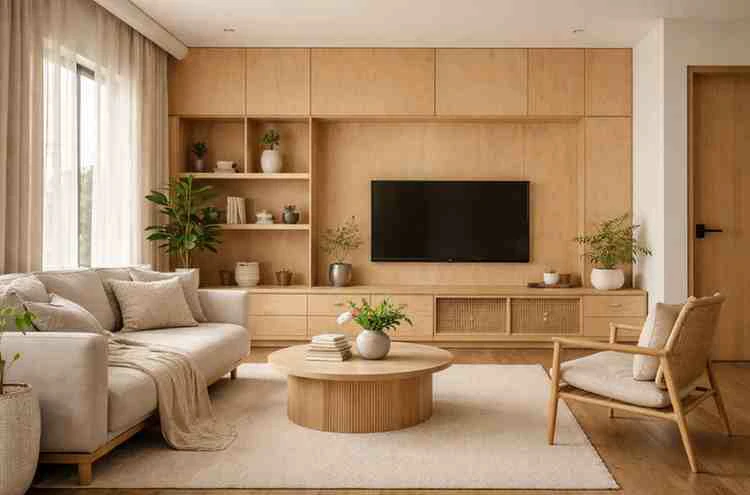
الاعتماد على مراكز التجزئة العامة المتخصصة في تحسين المنازل لا يفي بالمواصفات الفنية الصارمة المطلوبة للمباني المعمارية ذات المستوى التجاري. يحتاج المشترون من الشركات إلى شركاء صناعيين يقدمون أوراق بيانات هيكلية دقيقة، وشهادات رسمية للامتثال لمعايير الانبعاثات، وبدائل موثوقة للمواد الهيكلية الأساسية. على سبيل المثال، قد يتطلب مشروع مكتبي مؤسسي كبير مئات الألواح متعددة الطبقات ذات نوى جسيمية محددة مقاومة للرطوبة أو نوى من ألياف الخشب فائقة الخفة. تتيح الشراكة مع موزع صناعي متخصص للمتخصصين في المواصفات المعمارية مراجعة عينات التصنيف المادي، والتحقق من مصادر الأخشاب الإقليمية، والحصول على هياكل تسعير تنافسية للكميات الكبيرة.
مقاييس التقييم النقدي للركائز الخشبية التقنية وقشور التكسية
يتطلب اختيار مورد للألواح الخشبية الصناعية فهمًا متعمقًا لأنظمة التصنيف الدولية، وخصائص المواد الأساسية، وأنماط الشرائح الجمالية. ويقوم المشترون المحترفون بتحليل هذه الخصائص الميكانيكية لضمان احتفاظ عناصر الأعمال الخشبية النهائية بمستويات استواء هيكلية وتناسق بصري في ظل ضغوط بيئية متنوعة.
تقنيات قطع قشور الوجه وأنماط المطابقة البصرية
تؤدي الطريقة المستخدمة في تقطيع جذع الشجرة إلى تغيير جذري في الشكل الهندسي النهائي للعروق الخشبية والتأثير البصري العام للألواح المعمارية. فالتقطيع المسطح ينتج نمطًا كلاسيكيًا من العروق يشبه عروق الكاتدرائيات، في حين أن التقطيع الربعي ينتج ترتيبًا مستقيمًا ومتراصًا لخطوط العروق العمودية. ويضمن تحديد تقنية المطابقة الصحيحة — مثل «المطابقة على شكل كتاب» أو «المطابقة المنزلقة» — اندماج الألواح المتجاورة مع بعضها بسلاسة عند تركيبها على الجدران.
تكوينات المواد الأساسية وخصائصها الميكانيكية
يحدد البناء الداخلي للوحة الزخرفية وزنها، وقدرتها على تحمل البراغي، وثبات أبعادها، ومقاومتها للرطوبة البيئية. ويقوم متخصصو التوريد بتقييم الاختلافات في المواد الأساسية بعناية لضمان مطابقتها للمتطلبات المادية الدقيقة لبيئة التركيب النهائية.
- تتكون الألواح ذات اللب المكسو بالقشرة الخشبية من طبقات خشبية متعامدة متناوبة، مما يوفر أقصى قدر من القوة الهيكلية وقدرة فائقة على تثبيت البراغي، مما يجعلها مناسبة للخزائن المخصصة للأعمال الشاقة.
- توفر الألواح الليفية متوسطة الكثافة (MDF) سطحًا مستويًّا وموحدًا بشكل استثنائي، مما يمنع ظهور ملامح الطبقة الداخلية من خلال الأسطح الرقيقة.
- تُعد قلبات الألواح الحبيبية بديلاً فعالاً من حيث التكلفة وذو ثبات أبعاد عالٍ لتجهيزات المتاجر الداخلية الكبيرة التي لا تتعرض للرطوبة.
المراكز الإقليمية الرئيسية لشراء الألواح الخشبية الصلبة المخصصة للأعمال المعمارية
يعمل المشترون الصناعيون على تخطيط مراكز توزيع إقليمية لضمان تقصير مدة توريد المواد وخفض النفقات الباهظة للشحن البري. وتوفر مناطق الإنتاج الجغرافية المختلفة مزايا مميزة فيما يتعلق بالحصول على أنواع الخشب المتخصصة، وقدرات المعالجة المحلية، والبنية التحتية اللوجستية اللازمة للتعامل مع الكميات الكبيرة.
شبكات توزيع الأخشاب الصلبة في أمريكا الشمالية
يعتمد سوق أمريكا الشمالية على شبكات توزيع إقليمية متكاملة للغاية، تزخر بأنواع الخشب الصلب المحلي عالي الجودة. ويستفيد مديرو المشتريات من هذه المخزونات المحلية عندما يتطلب مشروع ما مواد ألواح هيكلية من الدرجة الأولى مثل خشب القيقب الصلب الرقائقي للحصول على تجهيزات تجارية أنيقة وعصرية. تحافظ مستودعات التوريد الإقليمية هذه على مخزون ثابت من المقاسات الصناعية القياسية، مما يتيح لمحلات تصنيع الخشب سحب المخزون حسب الطلب دون التعرض لعقبات في النقل تستغرق عدة أسابيع.
مجموعات الابتكار الأوروبية في مجال الأخشاب الهندسية
تركز مراكز التصنيع الأوروبية بشكل كبير على التكنولوجيا المتطورة في مجال الأخشاب الهندسية، والمواد اللاصقة منخفضة الانبعاثات، ومعالجات الأسطح عالية التخصص. وتحظى هذه المنتجات بإقبال كبير من المصممين التجاريين الذين يولون أولوية لمسارات التوريد الصارمة التي تحقق الحياد الكربوني، والتفاوتات المترية الدقيقة في السماكة من أجل أعمال النجارة الدقيقة.
مناطق التصنيع الصناعي ذات الحجم الكبير في آسيا
توفر مراكز الإنتاج الآسيوية قدرات إنتاجية هائلة لا مثيل لها وهياكل تسعيرية فعالة من حيث التكلفة لمشاريع تطوير البنية التحتية التجارية الضخمة. وتستخدم هذه المنشآت التصنيعية الواسعة النطاق معدات صقل ومعايرة آلية وأنظمة ضغط ساخن متطورة لضمان دقة موثوقة في تسوية الألواح. وتختار فرق المشتريات هذه المراكز لتوريد كميات ضخمة من ألواح الخشب الخشب الرقائقي القشرة الخشبية للمشاريع المعمارية الكبرى في مجالات الضيافة، والمساكن المتعددة الأسر، أو المؤسسات في جميع أنحاء العالم.
خصائص الأداء والمواصفات الهندسية للألواح المعمارية
تتطلب مشاريع الأعمال الخشبية التجارية ملامح دقيقة للمواد لضمان المتانة على المدى الطويل والامتثال لقوانين البناء الهيكلية المحلية. يوضح جدول المقارنة أدناه بالتفصيل معايير الأداء الميكانيكي الأساسية، والخصائص الهيكلية الأساسية، وحالات الاستخدام النموذجية للألواح الخشبية الصلبة التجارية القياسية.
| تصنيف اللجان المتخصصة | معيار درجة السطح (HPVA) | تركيب قلب الركيزة | تصنيف انبعاثات المركبات المتطايرة | المجال الرئيسي لتطبيقات الهندسة المعمارية |
| خشب القيقب المعماري الفاخر | وجه من الدرجة الأولى، ظهر سليم | قشرة خشب الأسبن متعددة الطبقات | متوافق مع المرحلة الثانية من نظام «كارب» | تجهيزات متاجر التجزئة الفاخرة والخزائن |
| خشب البلوط التجاري المقطّع إلى أرباع | وجه من الدرجة أ، ظهر عادي | ألواح الخشب المضغوط الصناعية | ULEF (انبعاثات منخفضة للغاية) | أنظمة الألواح الجدارية للمكاتب ومكاتب العمل |
| لوحة هندسية مقاومة للهب | الوجه من الدرجة باء، الظهر مرفوض | قاعدة من مادة MDF المقاومة للحريق | مصنف من الفئة «أ» لمقاومة الحريق (ASTM E84) | الممرات المؤسسية والأماكن العامة |
| خشب رقائقي تقني مخصص للاستخدامات البحرية | درجة B أو أعلى | قشرة خشب الأوكومي الصلبة | رابط خارجي مقاوم للماء | التصميمات الداخلية لليخوت الفاخرة والمناطق الرطبة |
الجدول 1: ملامح الأداء الهيكلي ومعايير معايرة المواد للألواح الزخرفية المتخصصة.
يتيح اختيار المزيج المثالي بين درجة جودة السطح الخارجي ومواد اللب للفرق الهندسية تحقيق أقصى عمر افتراضي للألواح مع الحفاظ على تكاليف المشروع في حدود الميزانية المحددة. ويستخدم المشترون التجاريون هذه المعايير الأساسية التي تم التحقق منها للتأكد من أن الشحنات المُسلَّمة تتوافق تمامًا مع المخططات المعمارية الأصلية المقدمة.
قوائم مراجعة أساسية للمشتريات الخاصة بالألواح الخشبية الصناعية
لضمان سير الجداول الزمنية لأعمال البناء التجاري بسلاسة، تطبق أقسام المشتريات إجراءات تحقق صارمة قبل إصدار أوامر الشراء النهائية. ويُعد التحقق المبكر من تفاصيل معالجة المواد وسيلةً لمنع أخطاء انفصال الطبقات، ورفض المنتجات بسبب عيوب التشطيب السطحي، ومشاكل الامتثال في موقع العمل.
التحقق من انبعاثات الفورمالديهايد والشهادات البيئية
غالبًا ما تتطلب مشاريع المباني التجارية الحديثة الامتثال للوائح البيئية الصارمة المتعلقة بجودة الهواء الداخلي، مثل معايير LEED أو CARB المرحلة 2. ويجب على المشترين التأكد من أن أنظمة المواد اللاصقة المستخدمة أثناء التصنيع لا تحتوي على أي مركبات يوريا-فورمالديهايد مضافة (NAUF).
التوازن الهيكلي وتصنيفات درجات الدعم
يجب أن تكون الألواح الزخرفية الفاخرة متوازنة بشكل صحيح خلال عملية التصنيع لمنع حدوث أي انحراف أو تقعر أو انحناء بمرور الوقت. ويجب على الموردين وضع قشرة داعمة تتمتع بخصائص توتر هيكلي مكافئة على الجانب الخلفي للطبقة السطحية الرئيسية. تحديد تصميم أنيق خشب البلوط الصلب الرقائقي تضمن هذه اللوحة أن يتفاعل كلا الجانبين بنفس الطريقة مع التغيرات في مستويات الرطوبة المحيطة، مما يحافظ على شكل مسطح تمامًا.
إذا كان فريق الهندسة لديكم بحاجة إلى عينات خشبية معمارية عالية الدقة أو عرض أسعار فوري لكميات كبيرة لمشروع أعمال نجارة مخصصة، يرجى اتصل مباشرةً بأخصائيي الألواح التجارية لدينا في شركة «فوياج» للحصول على تقدير شامل لتكلفة المواد.
الأسئلة الشائعة حول شراء الخشب الرقائقي الزخرفي المعماري
ما هي العوامل الرئيسية التي تسبب ظهور «التلغراف الهيكلي» على الألواح الخشبية الزخرفية؟
يحدث «التلغراف» عندما تظهر عيوب داخلية في اللب، مثل العقد أو الفراغات، من خلال القشرة الخارجية الرقيقة بعد تطبيق طبقات الطلاء النهائية. ويؤدي استخدام لب من خشب MDF عالي الجودة وعالي الكثافة أو ركائز من قشرة الخشب الصلب المعايرة إلى منع هذه العيوب الداخلية من إتلاف السطح الخارجي الأملس.
كيف تميز معايير التصنيف المعماري بين خصائص القشرة الخارجية؟
تصنف رابطة الخشب الرقائقي والقشرة الخشبية الصلبة (HPVA) القشور الأمامية باستخدام الحروف الأبجدية بدءًا من الدرجة «أ» وصولاً إلى الدرجة «هـ». وتمثل الدرجة «أ» أعلى مستويات الجودة المعمارية، حيث تتميز بأدنى حد من التباينات الطبيعية في اللون، وخلوها تمامًا من العقد المكشوفة، وتناسق الحبيبات بشكل موحد عبر اللوح بأكمله.
لماذا يُعد مقياس توازن محتوى الرطوبة عاملاً حاسماً في عمليات تركيب ألواح الجدران على نطاق واسع؟
تتوسع الألواح الخشبية أو تنكمش بشكل طبيعي وفقًا لمستويات الرطوبة النسبية في البيئة الداخلية المحيطة بها. ويؤدي اختيار الألواح التي تم تجفيفها في أفران خاصة حتى تصل نسبة الرطوبة فيها إلى حالة التوازن، أي ما بين ستة إلى ثمانية في المائة، إلى منع انفصال الوصلات أو حدوث انحناء بعد التركيب.
ما الفرق المحدد بين قشور الأسنان ذات السطح المقطوع بطريقة الدوران وتلك المقطوعة بطريقة التقطيع العادي؟
تقوم عملية التقطيع الدوار بتدوير جذع شجرة كامل مقابل شفرة مستمرة، مما ينتج عنه أنماط حبيبات عريضة ودوامة لا تشبه إلى حد كبير الخشب الصلب التقليدي. أما عملية التقطيع العادي فتقوم بتقطيع الجذوع المستقيمة إلى شرائح متتالية متوازية، مما ينتج عنه نمط حبيبات «الكاتدرائية» الكلاسيكي الذي يحاكي الألواح الخشبية الصلبة التقليدية.
إنتاج الألواح المعمارية الفاخرة: Voyage
تُعد «فويج» موردًا رائدًا للخشب الرقائقي الزخرفي الصناعي، حيث توفر الألواح المعمارية التقنية وحلول قشرة الخشب بكميات كبيرة لمشاريع تجارية عالمية متميزة. وتستخدم منشآتنا التصنيعية المؤتمتة آلات صنفرة ومعايرة متطورة، وآلات تقطيع دقيقة، وأنظمة ربط لاصقة منخفضة الانبعاثات لضمان تفاوتات سماكة مثالية. نحن نسد الفجوة بين المفاهيم المعمارية المعقدة والتصنيع القابل للتوسع من خلال الحفاظ على إجراءات فحص جودة صارمة في كل دورة إنتاجية. ينصب تركيز شركتنا على استواء الهيكل، واتساق مطابقة الحبيبات بدقة، وتأمين مصادر مواد خام صديقة للبيئة تم التحقق منها لفرق المشتريات الدولية. توفر Voyage حلول تصنيع المعدات الأصلية ذات الخدمة الكاملة، مما يتيح لفرق مشروعك توسيع نطاق المواصفات الداخلية بسلاسة بدءًا من المخطط الأولي وصولًا إلى التسليم بكميات كبيرة في الموقع.
مراجع البيانات المتعلقة بالركائز الخشبية الصناعية والغابات
- معايير تصنيع الخشب الرقائقي الصلب وقواعد تصنيفه: جمعية الخشب الرقائقي والقشرة الخشبية من الأخشاب الصلبة
- شهادات الاستدامة الحرجية وبيانات سلسلة توريد الأخشاب: مجلس رعاية الغابات
- لوائح انبعاثات الفورمالديهايد ومعايير الامتثال لجودة الهواء: مجلس موارد الهواء في كاليفورنيا