Can Hardwood Plywood Be Used Outside? A Practical Guide for B2B Buyers
April 10, 2026
Yes, hardwood plywood can be used outside—but only under specific conditions. Standard interior-grade hardwood plywood is not designed for prolonged exposure to moisture, UV radiation, or temperature fluctuations. However, when properly manufactured (such as marine-grade or exterior-grade panels), treated, and installed with protective finishes, hardwood plywood can perform reliably in outdoor environments. For example, contractors often use sealed hardwood plywood for exterior signage, soffits, or protected facades, while marine plywood is widely used in boatbuilding and coastal construction due to its enhanced مقاومت to water and delamination.
Understanding when and how to use hardwood plywood outdoors is essential for buyers, contractors, and distributors who aim to balance cost, durability, and compliance. This guide breaks down the technical considerations, product types, and real-world applications to support informed sourcing decisions.
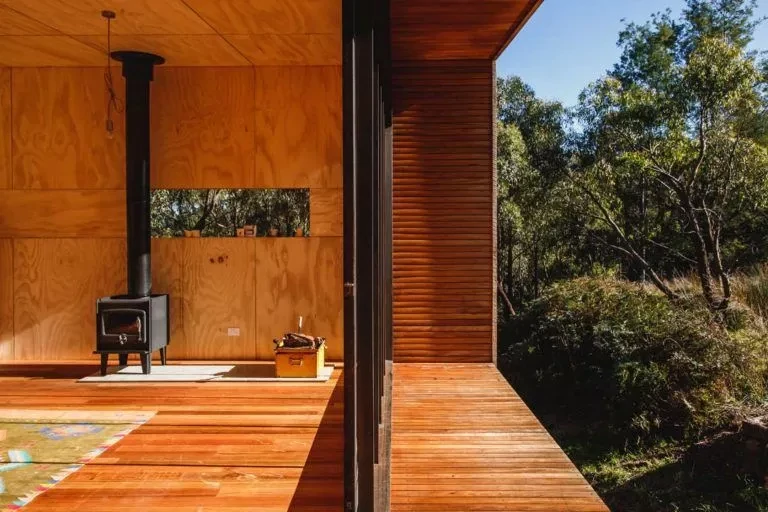
Understanding Hardwood Plywood and Its Limitations
Hardwood plywood is an engineered wood panel composed of multiple thin veneer layers bonded together with adhesives under heat and pressure. The face veneer is typically made from hardwood species such as oak, birch, or maple, delivering both strength and visual appeal.
Interior vs Exterior Grades
The key distinction lies in adhesive type and core construction:
- Interior-grade plywood uses urea-formaldehyde adhesives, which are not moisture-resistant.
- Exterior-grade plywood uses phenol-formaldehyde adhesives, offering superior water resistance.
- Marine-grade plywood features void-free cores and waterproof bonding, making it ideal for high-humidity or wet conditions.
Without proper grading, hardwood plywood exposed outdoors may warp, delaminate, or develop fungal decay.
What Makes Hardwood Plywood Suitable for Outdoor Use
To withstand outdoor conditions, hardwood plywood must meet several technical criteria:
1. Water-Resistant Adhesives
Exterior and marine plywood rely on phenolic resins that maintain bond integrity even when exposed to moisture over extended periods.
2. High-Quality Veneer Layers
Uniform, defect-free veneers reduce the risk of water ingress. Premium products such as hardwood veneer plywood offer improved surface consistency and structural reliability.
3. Edge Sealing and Surface Coating
Even exterior plywood requires protective sealing. Common treatments include:
- Polyurethane coatings
- Epoxy sealants
- Exterior-grade paints or laminates
These barriers prevent water penetration and UV degradation.
4. Compliance with Emission Standards
For projects requiring environmental compliance, materials like CARB P2 hardwood plywood ensure low formaldehyde emissions while maintaining structural performance.
Common Outdoor Applications and Use Cases
Hardwood plywood is not a one-size-fits-all outdoor solution. Its suitability depends on exposure level and protective measures.
Semi-Protected Applications
These environments involve limited exposure to direct rain or sunlight:
- Exterior soffits and ceilings
- Covered patios
- Decorative wall panels
In such cases, sealed hardwood plywood can deliver both durability and aesthetics.
Fully Exposed Applications
For direct exposure, only high-grade materials should be considered:
- Marine construction (boats, docks)
- Outdoor furniture
- Temporary construction hoarding
Marine plywood or specially treated exterior hardwood plywood is recommended here.
Example: Commercial Signage
Retail chains often use hardwood plywood for outdoor signage backing. When laminated and sealed properly, it offers a cost-effective alternative to metal panels while maintaining structural integrity.
Performance Comparison of Plywood Types for Outdoor Use
| Plywood Type | Adhesive Type | Water Resistance | Typical Use Case | Cost Level |
|---|---|---|---|---|
| Interior Hardwood | Urea-formaldehyde | Low | Indoor furniture, cabinetry | Low |
| Exterior Hardwood | Phenol-formaldehyde | Moderate | фасades, soffits, signage | Medium |
| Marine Plywood | Waterproof phenolic resin | High | Boats, docks, влажные environments | High |
Table: Comparison of hardwood plywood types for outdoor applications
Key Risks and How to Mitigate Them
Even high-quality hardwood plywood faces challenges outdoors. Understanding these risks helps buyers specify the right product.
Moisture Ingress
Unsealed edges can absorb water quickly, leading to swelling and delamination.
Mitigation: Always specify edge sealing and factory-applied coatings where possible.
UV Degradation
Sunlight can break down surface finishes and cause discoloration.
Mitigation: Use UV-resistant coatings or laminates.
Biological Decay
Fungi and mold thrive in влажные conditions.
Mitigation: Use treated plywood or apply anti-fungal coatings.
Sourcing Considerations for B2B Buyers
Choosing the right supplier is as critical as selecting the right product.
Evaluate Manufacturer Capabilities
Reliable hardwood plywood manufacturers should offer:
- Custom thickness and core configurations
- Certification compliance (CARB, FSC, CE)
- Consistent quality control
Cost Optimization Strategies
Global buyers increasingly look for sourcing regions offering competitive pricing. Options labeled as hardwood plywood low tariffs can significantly reduce landed costs without compromising quality.
Logistics and Packaging
Outdoor-grade plywood often requires moisture-proof packaging during transit. Ensure suppliers provide sealed wrapping and proper palletization.
Contact us today to get expert recommendations for your outdoor plywood projects.
Installation Best Practices for Outdoor Durability
Even the best plywood will fail if installed incorrectly.
Proper Ventilation
Allow airflow behind panels to prevent moisture buildup.
Use of Corrosion-Resistant Fasteners
Stainless steel or galvanized fasteners prevent rust and staining.
Regular Maintenance
Periodic inspection and resealing extend service life significantly.
FAQ: Hardwood Plywood in Outdoor Applications
Can standard hardwood plywood be used outside without treatment?
No. Interior-grade plywood will quickly deteriorate when exposed to moisture and weather conditions.
What is the best type of hardwood plywood for outdoor use?
Marine-grade plywood is the most durable option, followed by exterior-grade plywood with proper sealing.
How long can hardwood plywood last outdoors?
With proper treatment and maintenance, exterior-grade plywood can last 5–15 years depending on exposure conditions.
Is waterproof plywood completely immune to water damage?
No material is بالكامل waterproof. Marine plywood resists water effectively but still requires sealing and maintenance.
Can hardwood plywood be painted for outdoor use?
Yes, exterior-grade paints add a protective layer against moisture and UV exposure.
About Voyage
Voyage is a trusted global supplier of high-performance wood panel solutions, specializing in hardwood plywood for construction, furniture, and architectural applications. With a strong focus on quality control, customization, and international compliance, Voyage supports distributors, contractors, and project developers with reliable materials tailored to demanding environments. From standard panels to advanced engineered solutions, Voyage ensures consistency, durability, and value across every shipment.
References